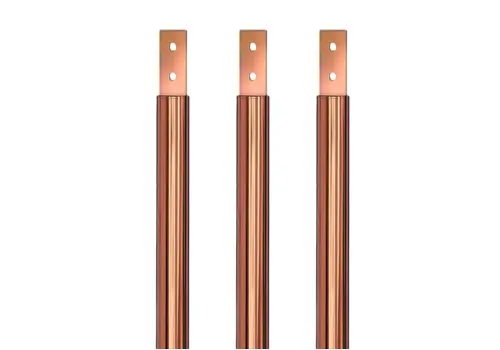



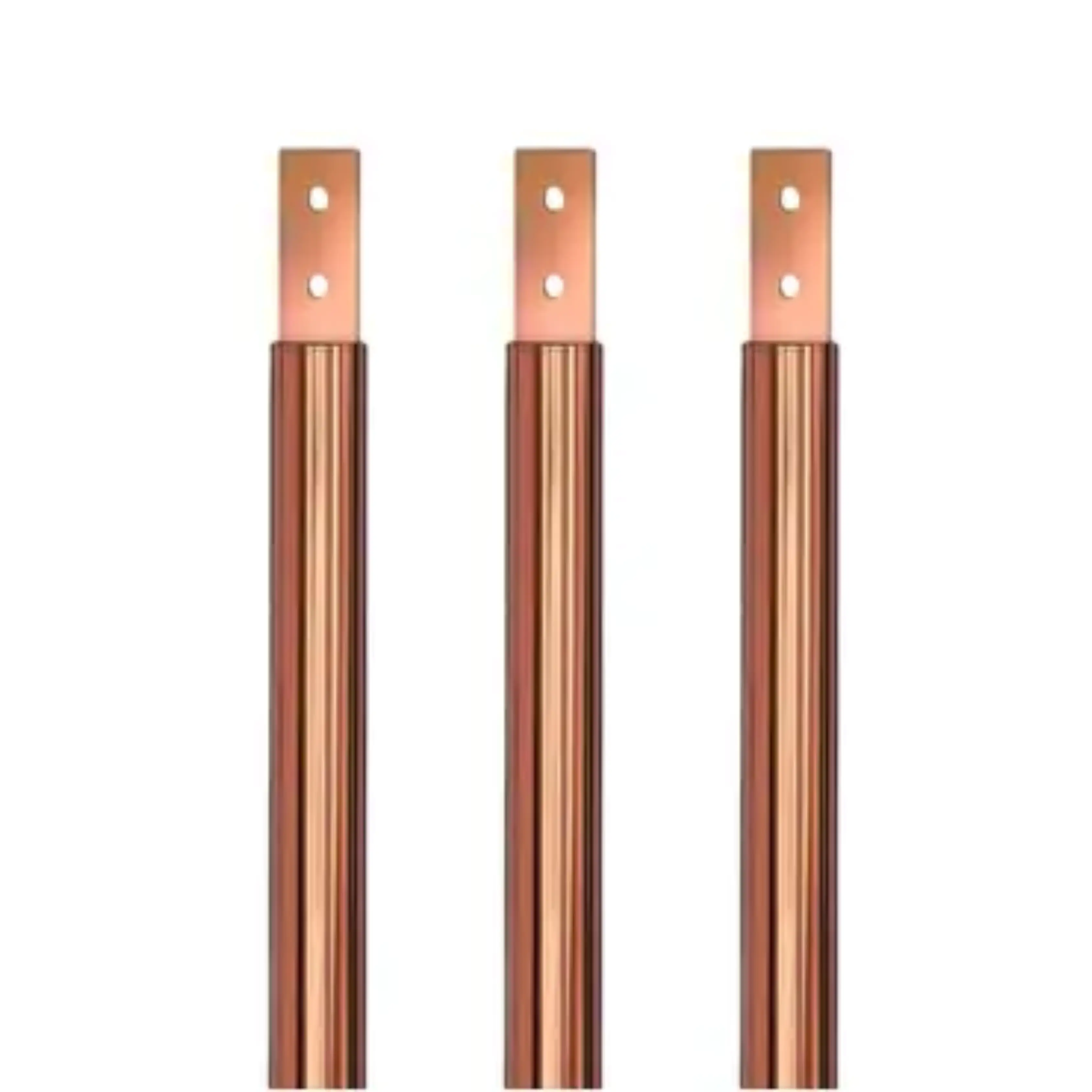
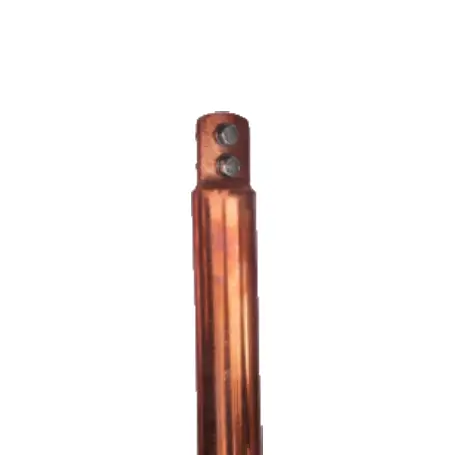
A Copper Bonded Earthing Pipe is a type of earth electrode made by bonding a layer of copper onto the surface of a steel pipe, typically through an electroplating bonding process. These pipes are used to safely discharge fault currents and lightning surges into the ground and are known for their excellent conductivity, corrosion resistance, and long service life.
They are commonly used in industrial, commercial, Solar and critical infrastructure projects where high-performance and long-lasting earthing systems are required.
To provide a low-resistance path for fault and leakage currents to dissipate into the earth.
Protect people and equipment from electric shocks and surges.
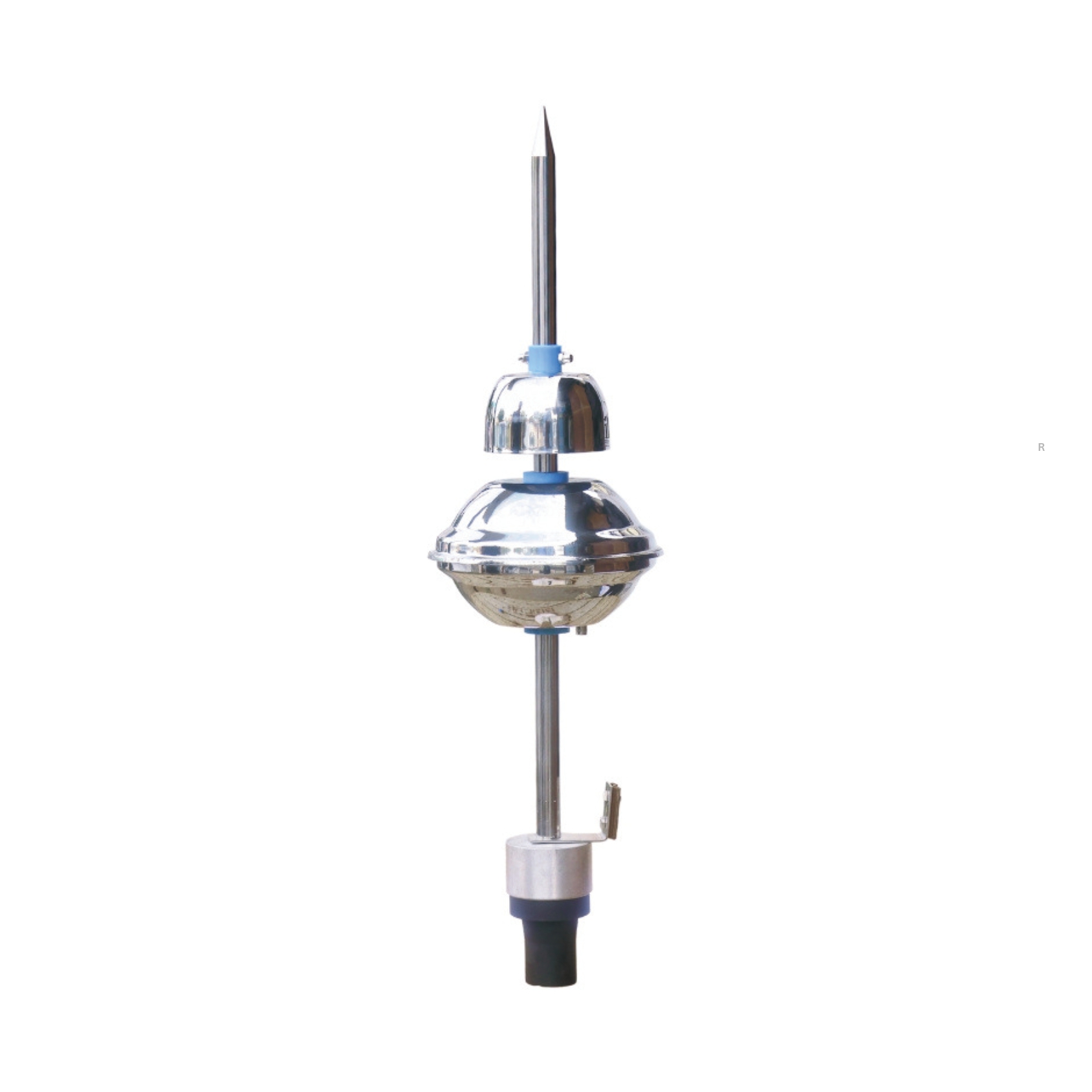
Support lightning protection systems by acting as efficient grounding conductors.
Improve reliability of electrical systems in demanding environments (e.g., data centers, substations).
Core: Mild steel or high-strength steel for durability.
Copper Bonding: A uniform copper coating (typically 250–300 microns thick) bonded to the steel core to improve conductivity and prevent corrosion.
ength: Usually ranges from 1 to 3 meters.
Diameter: Commonly 40 mm to 100 mm.
Finish: Highly conductive, rust-resistant surface with smooth bonding to ensure long-term performance.
Cost-effective: Offers similar electrical performance to pure copper but at a lower cost.
Stronger: The steel core provides mechanical strength, making it durable during installation in hard or rocky soils.
Corrosion-resistant: The copper layer prevents rusting even in harsh soil conditions.
Longer lifespan: Less likely to degrade or erode compared to GI or uncoated pipes.
Earth Pit Preparation: Dig a pit (generally 3 to 4 feet deep or as per design).
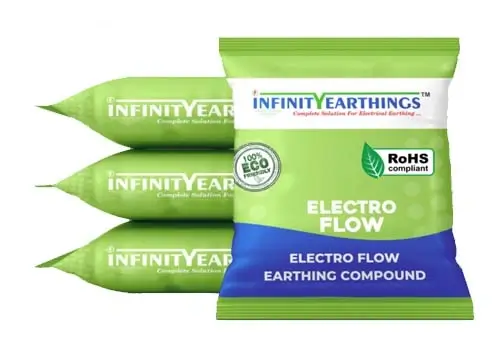
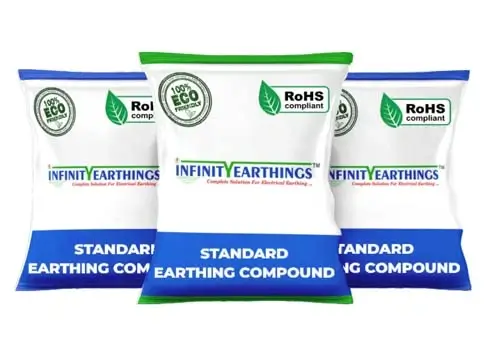
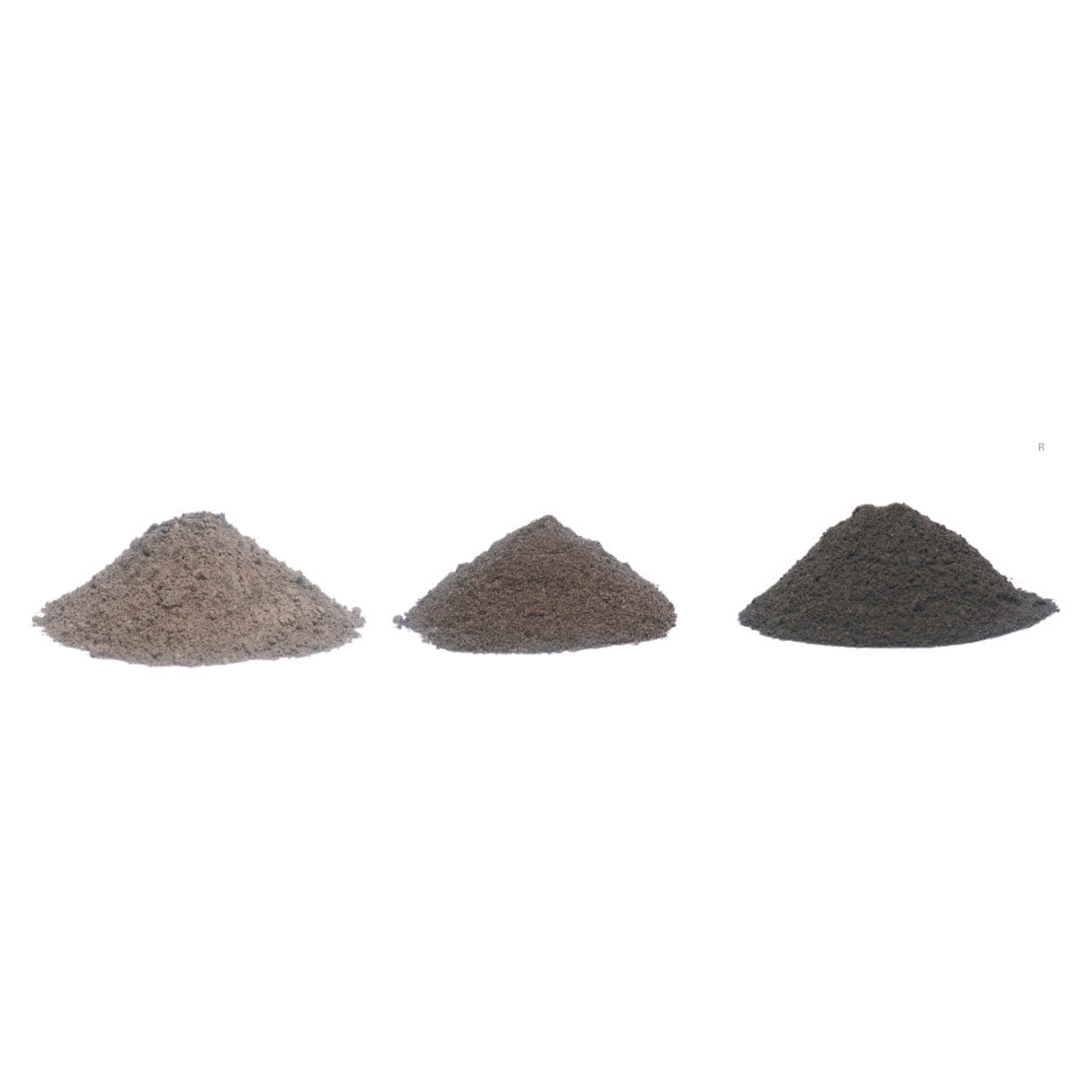
Soil Treatment: Fill the pit with a Infinity Elecroflow non-corrosive earthing compound.
Insert Pipe: Place the copper bonded pipe vertically in the pit.
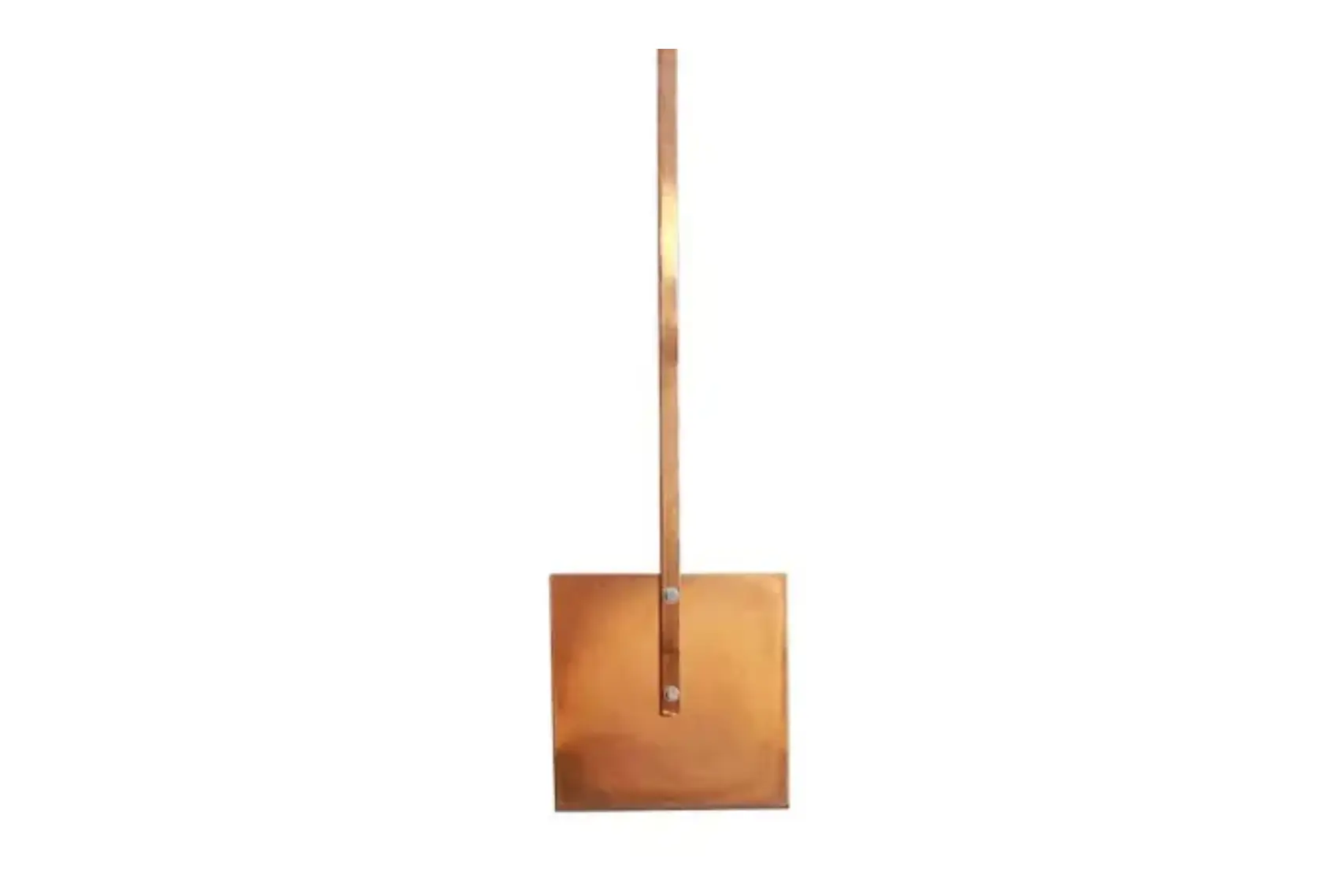
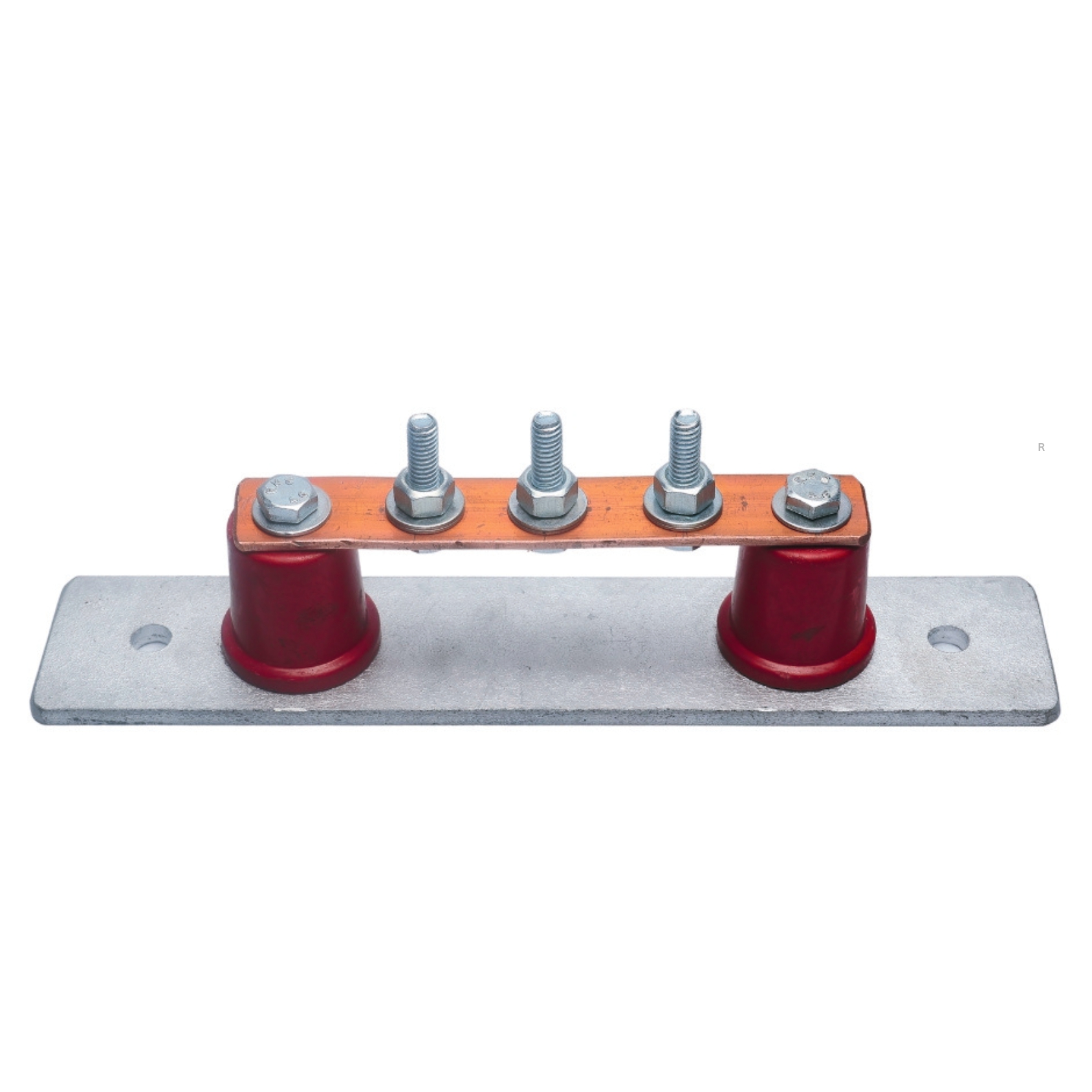
Electrical Connection: Connect the pipe to the main earthing system using copper strip or wire.
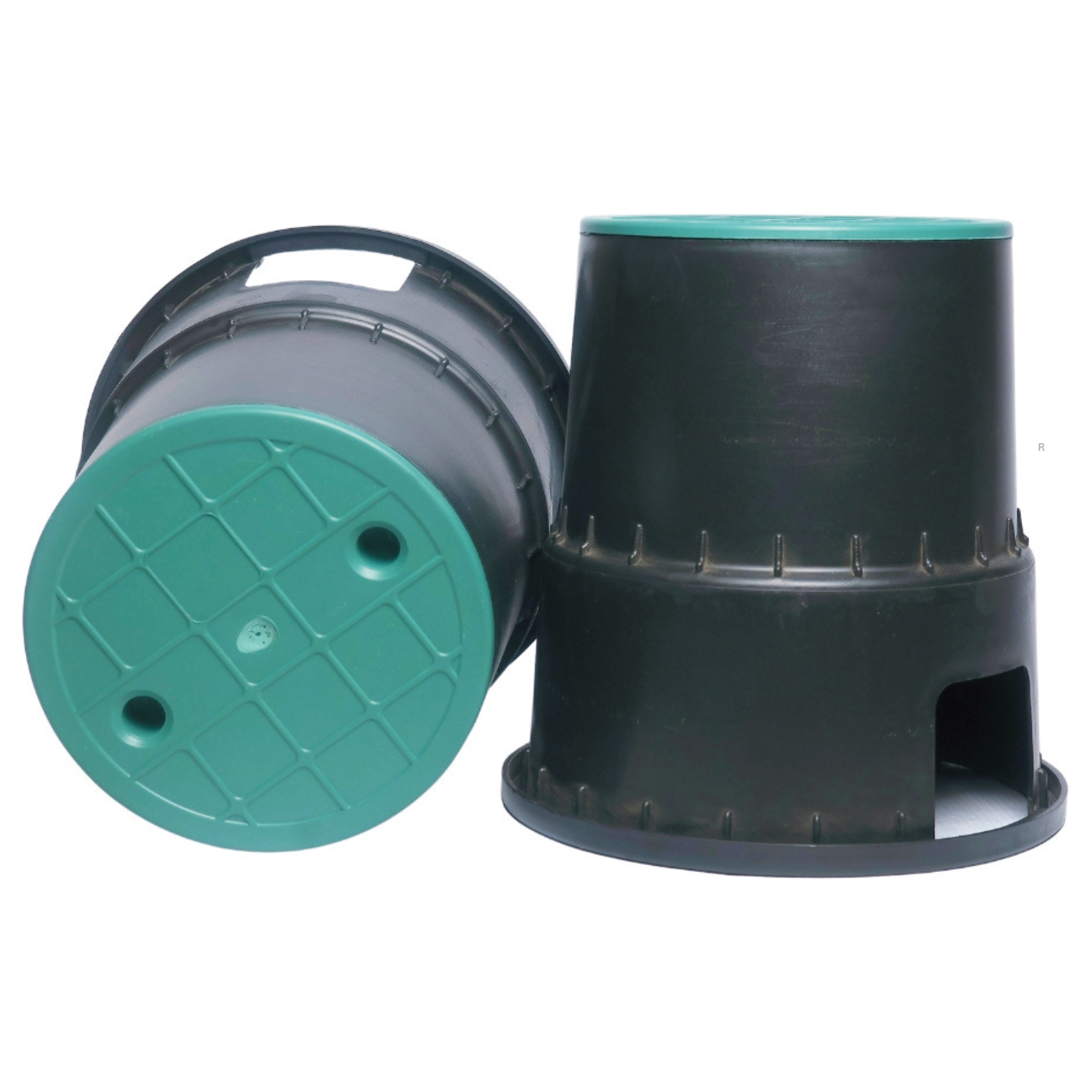
Cover: Close the pit with an inspection chamber or cover for maintenance.
High Conductivity: Excellent electrical performance for fault current dissipation.
Corrosion Resistance: Lasts longer in corrosive or damp soil environments.
Long Lifespan: Typically 30+ years with minimal maintenance.
Strong Mechanical Strength: Can withstand tough soil conditions during installation.
Low Maintenance: Requires less frequent replacement or repairs.
Power plants and substations
Oil & gas industries
Data centers and telecom towers
High-rise buildings and hospitals
Solar and wind energy installations
Lightning protection systems
Standards and Compliance
UL 467 – Grounding and bonding equipment standard
IEEE 80 – Grounding in substations
IEC 62561 – Components for lightning protection systems
IS 3043 – Earthing code of practice (India)