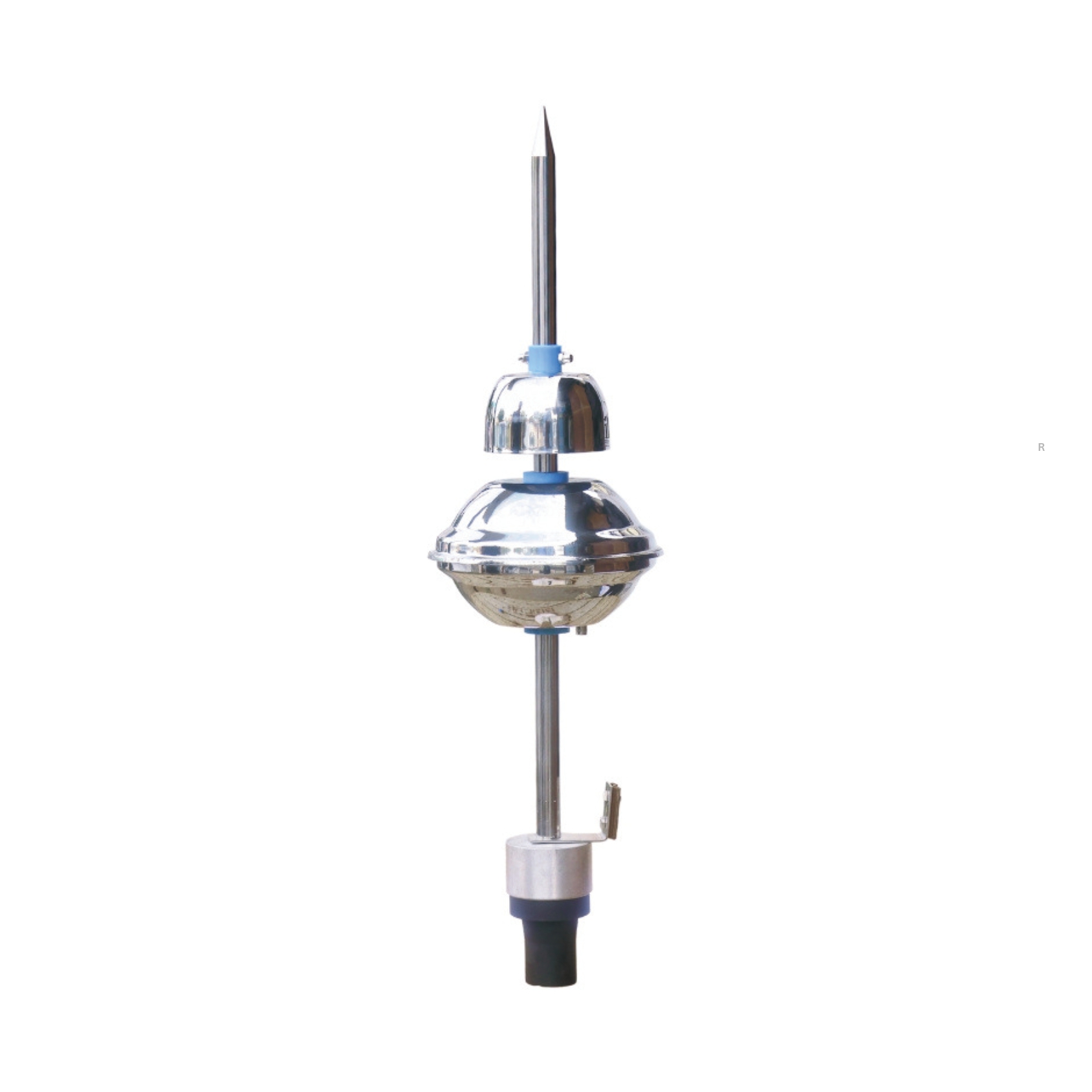



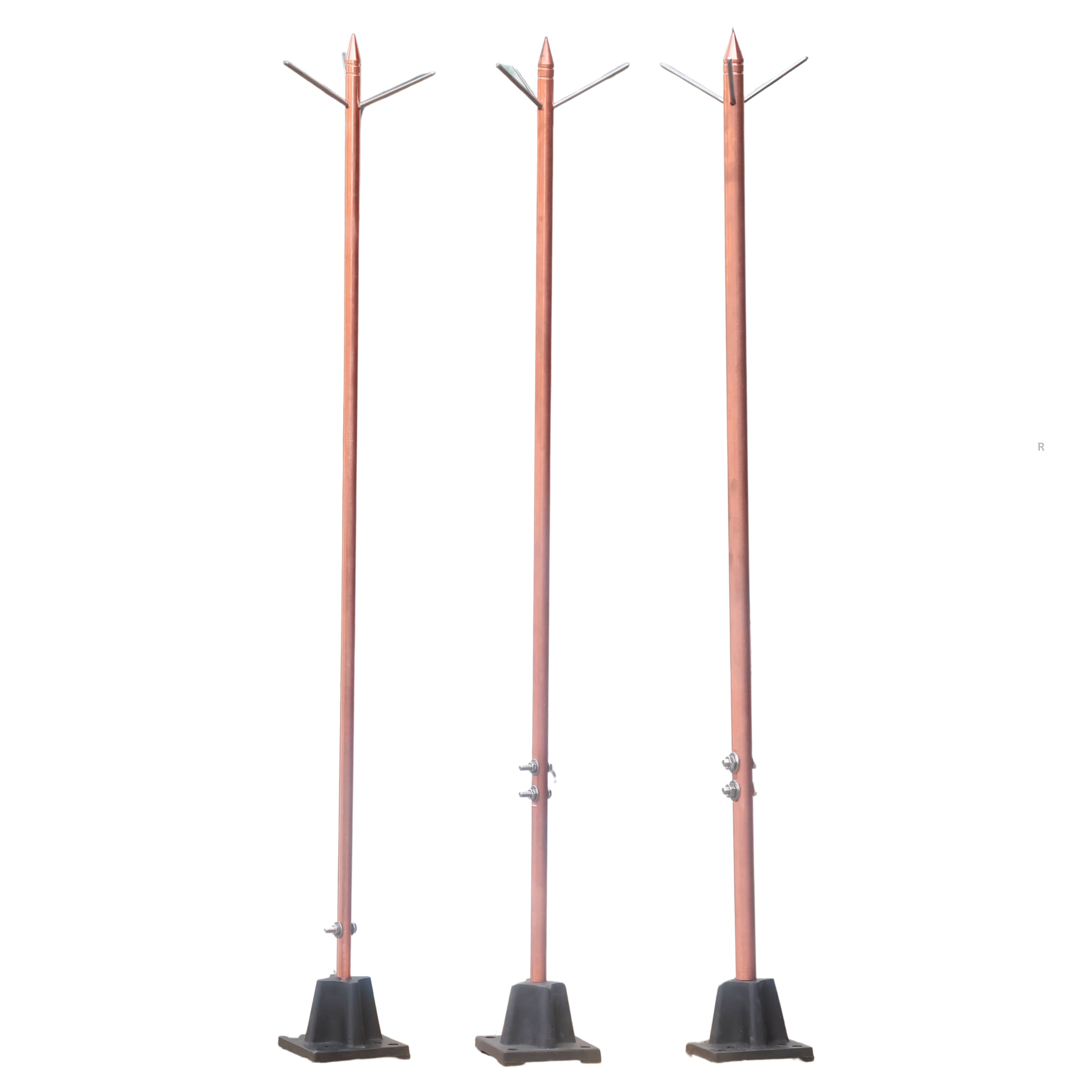
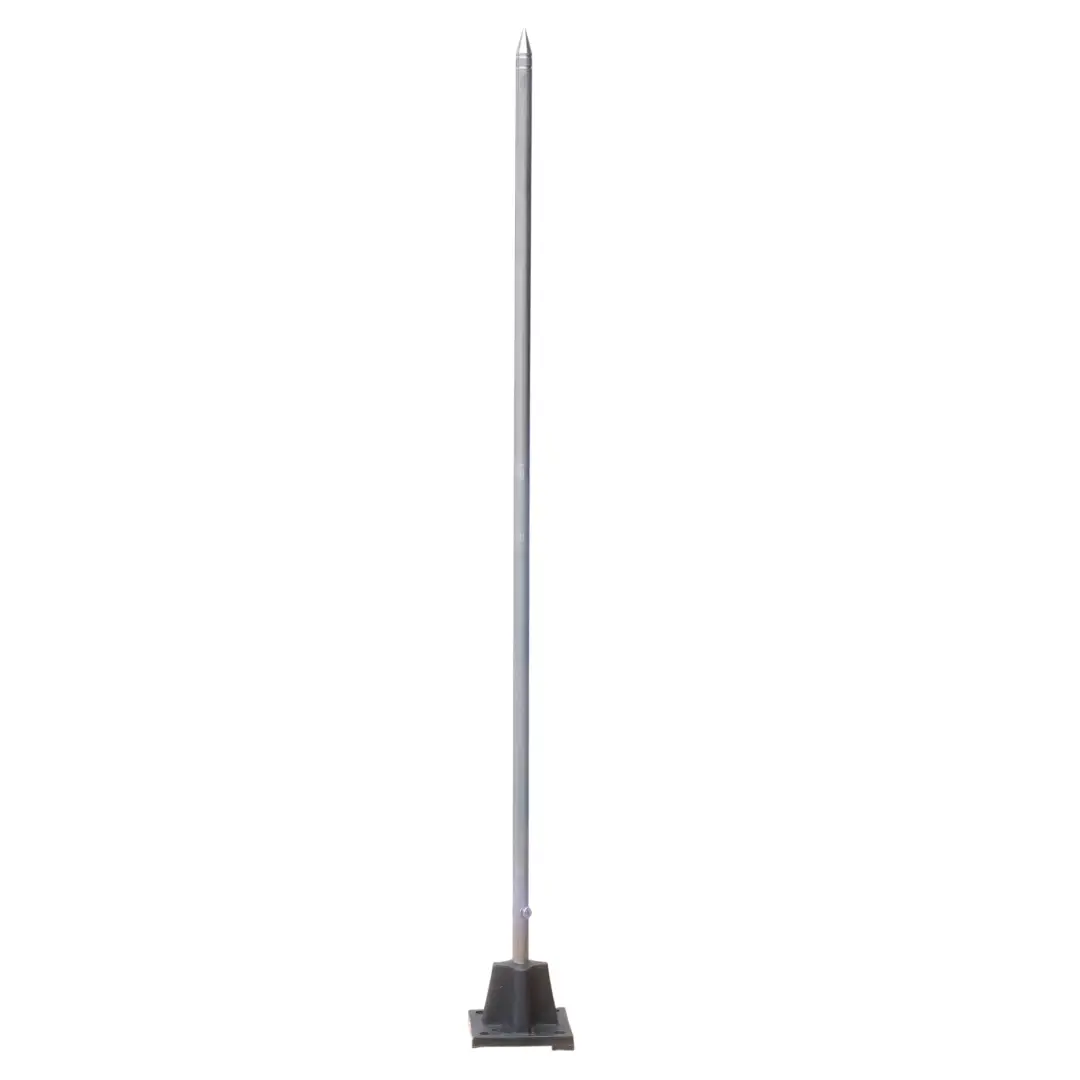
A Lightning Arrester (also called conventional lightning arrester) is a protective device used in electrical systems and buildings to safely divert lightning strikes and high-voltage surges into the ground, preventing damage to equipment, structures, and human life. It acts as the first line of defense against the dangerous effects of lightning by providing a low-resistance path for the lightning current to follow.
Lightning arresters are critical components in power systems, telecommunications, buildings, and lightning protection systems (LPS).
When a lightning bolt or voltage surge approaches, the arrester detects the high voltage.
It conducts the excess voltage directly to the earth (ground) through a connected earthing system.
After the surge is diverted, the arrester returns to its normal non-conductive state.
Pipe Type Lighting Arrester and Rod Type Lighting Arrester
Single Spike Lighting Arrester and Multi Spike Lighting Arrester
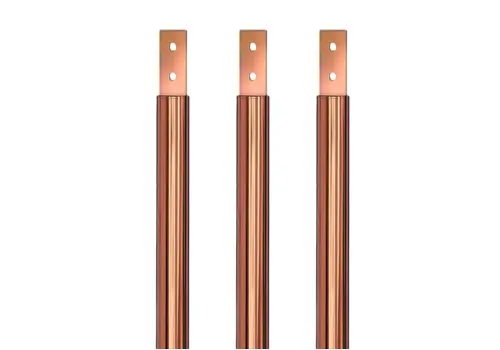
Available For SS, Copper bonded, Pure Copper and Aluminium
Air Terminal (Rod or ESE head) – Captures the lightning strike.
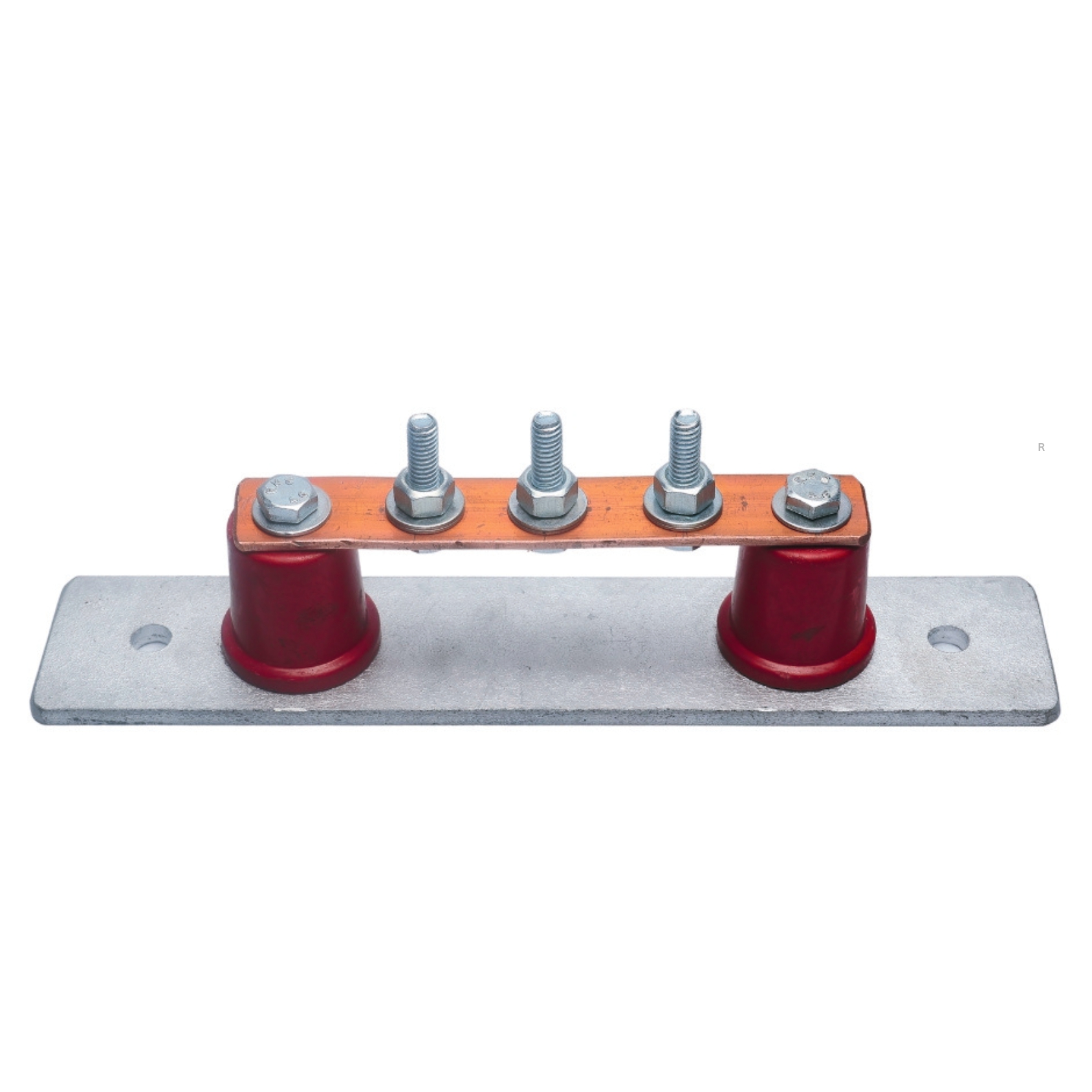
Down Conductor – Carries the surge current to the ground.
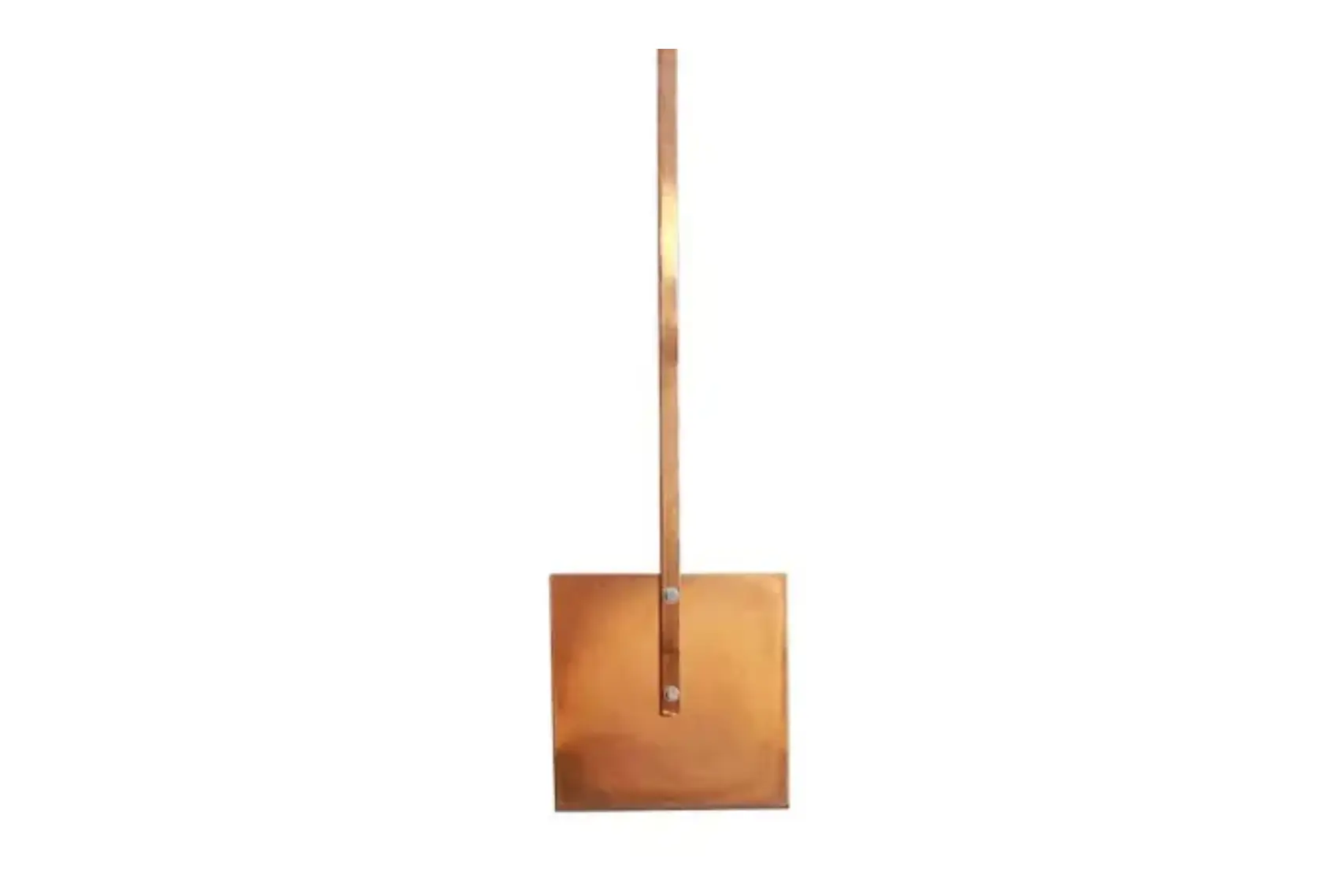
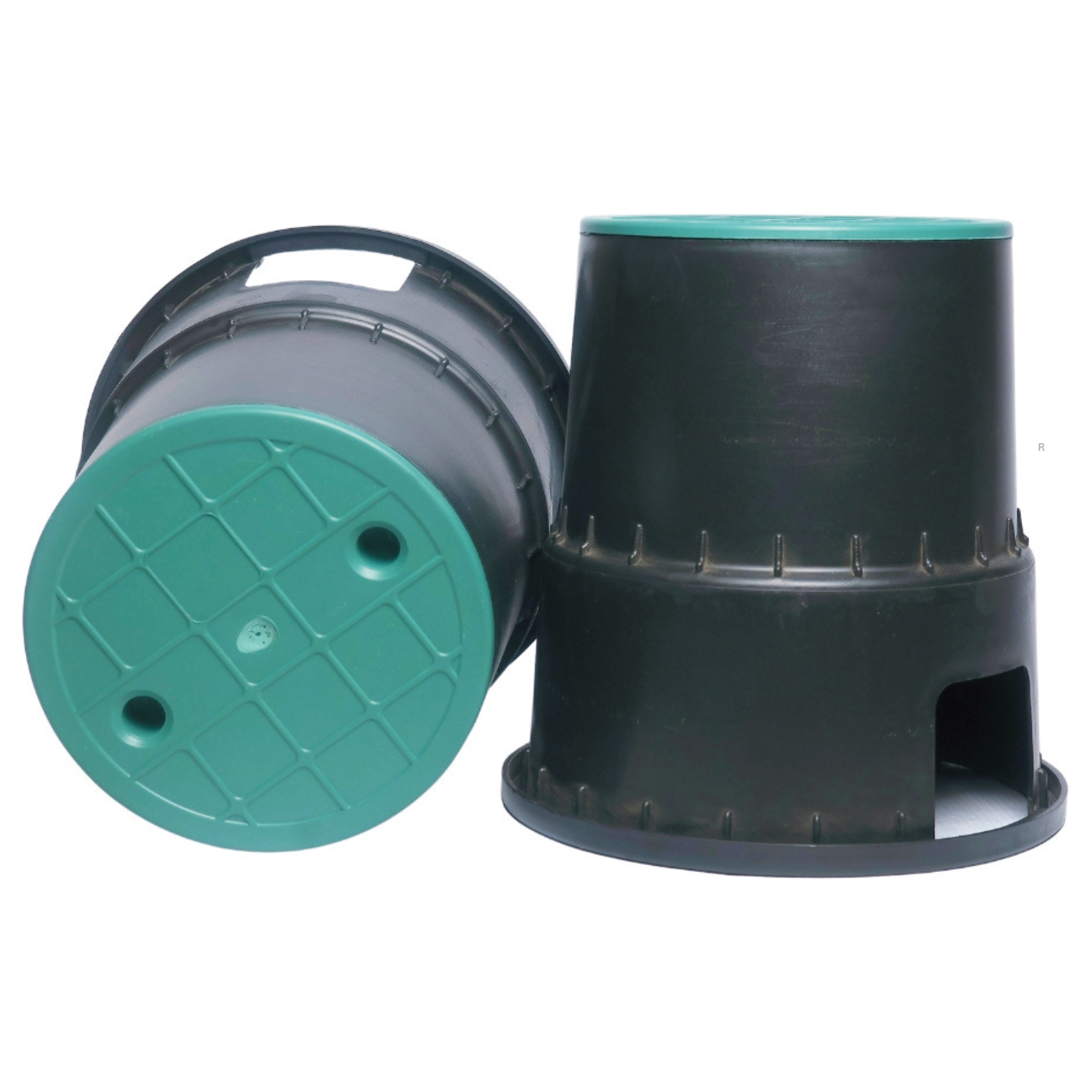
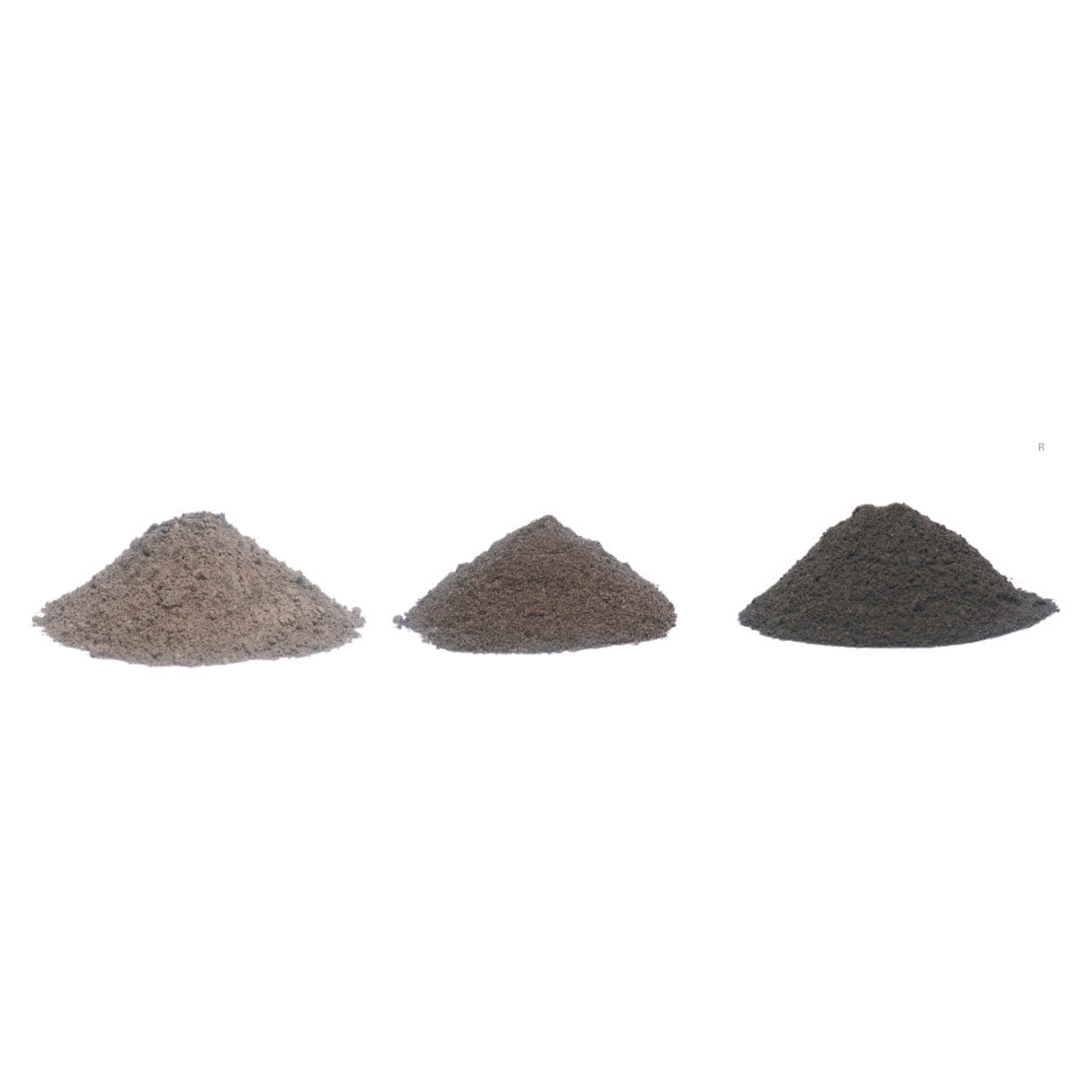
Earth Termination (Earthing System) – Disperses the current safely into the earth.
Protects electrical and electronic equipment from lightning damage
Reduces risk of fire, electric shock, and equipment failure
Improves safety of people, buildings, and systems
Low maintenance when properly installed
Long lifespan and reliable performance in all weather
Residential and commercial buildings
High-rise structures
Power plants and substations
Telecommunication towers
Airports, railways, and military bases
Schools, hospitals, and government buildings
Solar and wind energy systems
Must be installed at the highest point of the structure.
Requires a dedicated earth path with low resistance.
Should be installed by qualified professionals following IEC 62305, IS/IEC 62305.