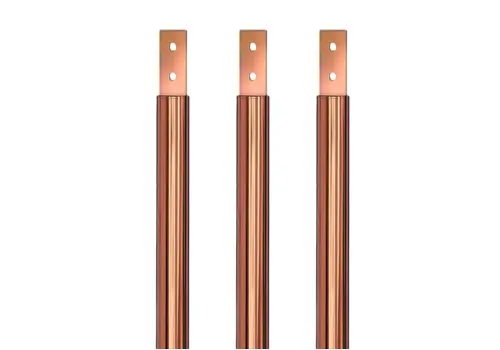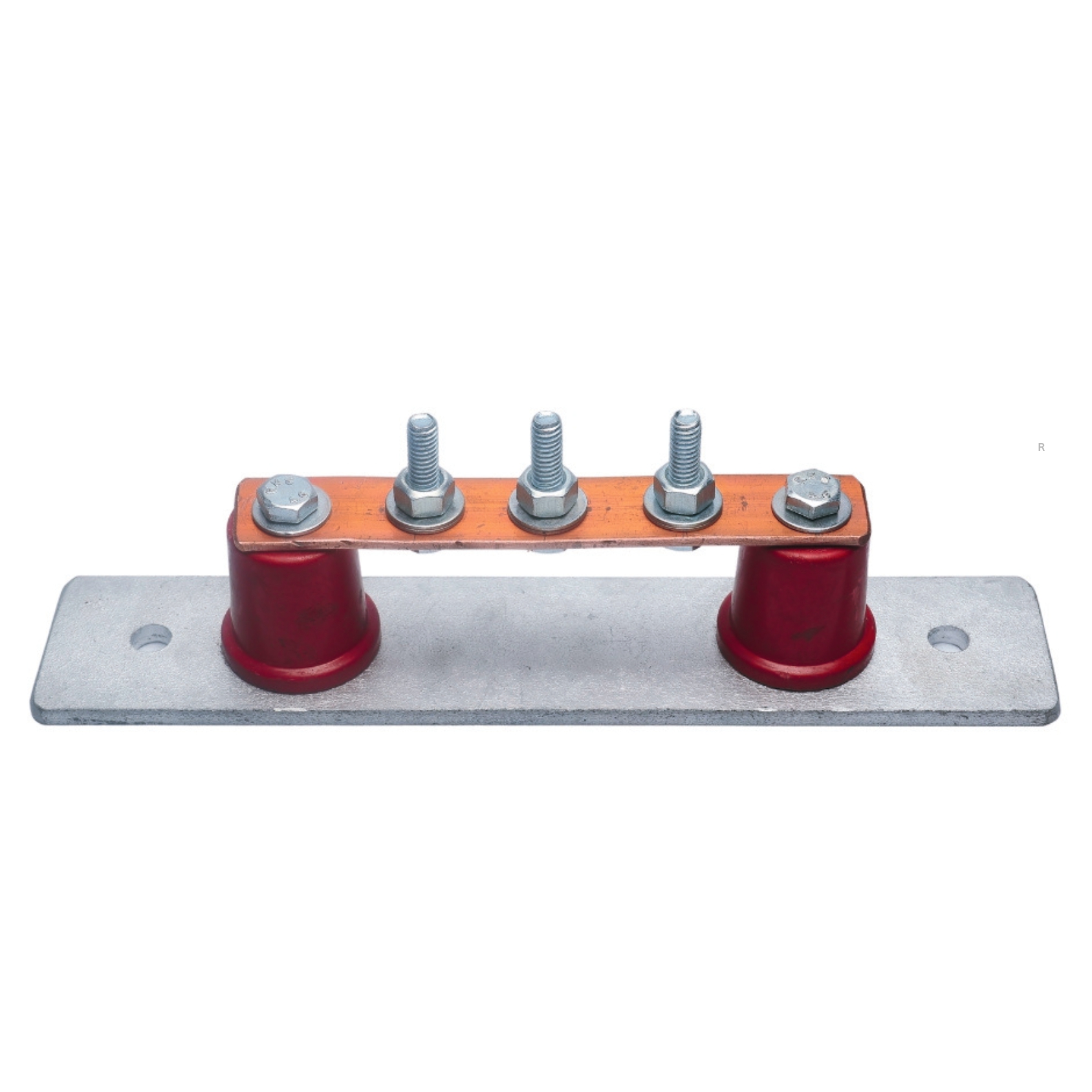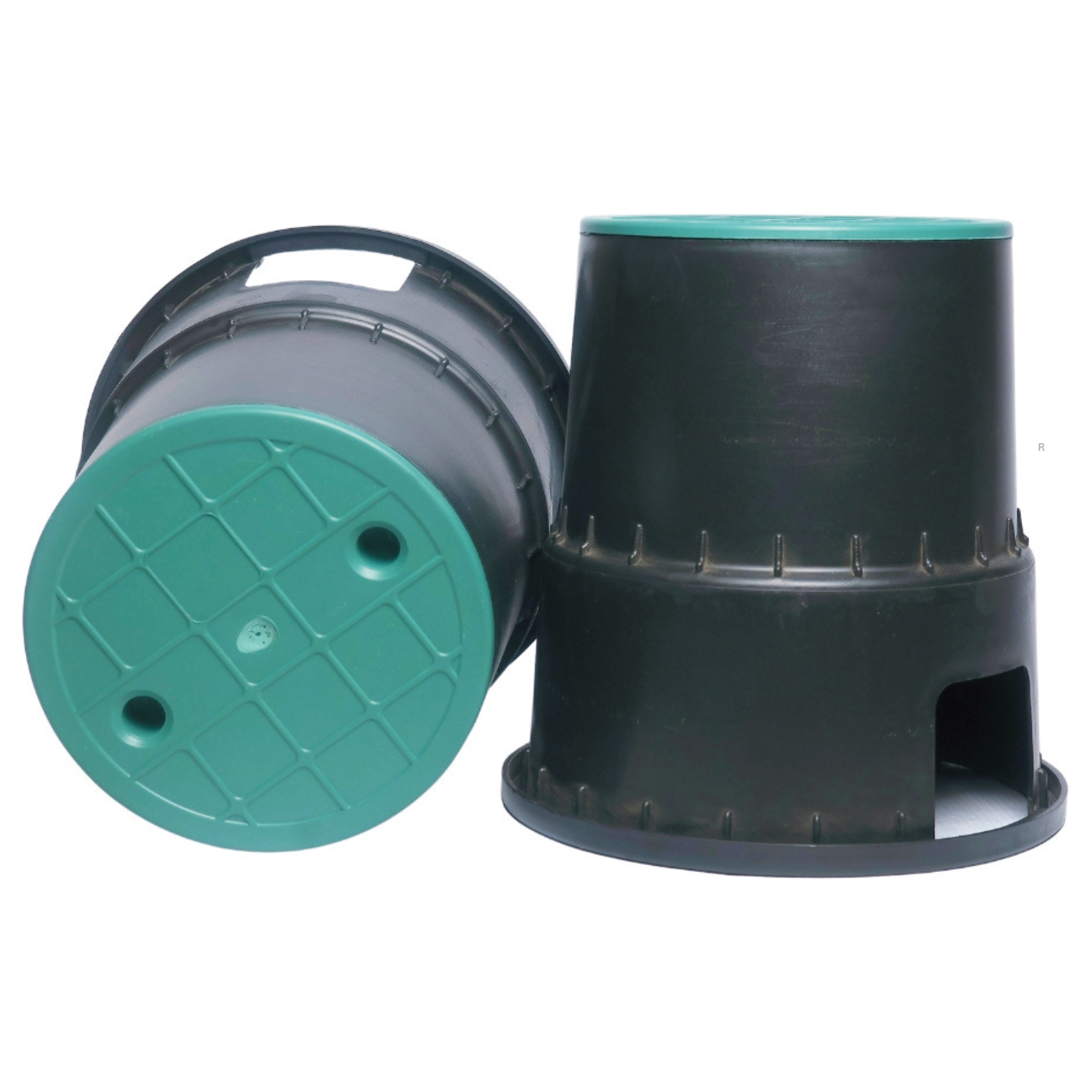



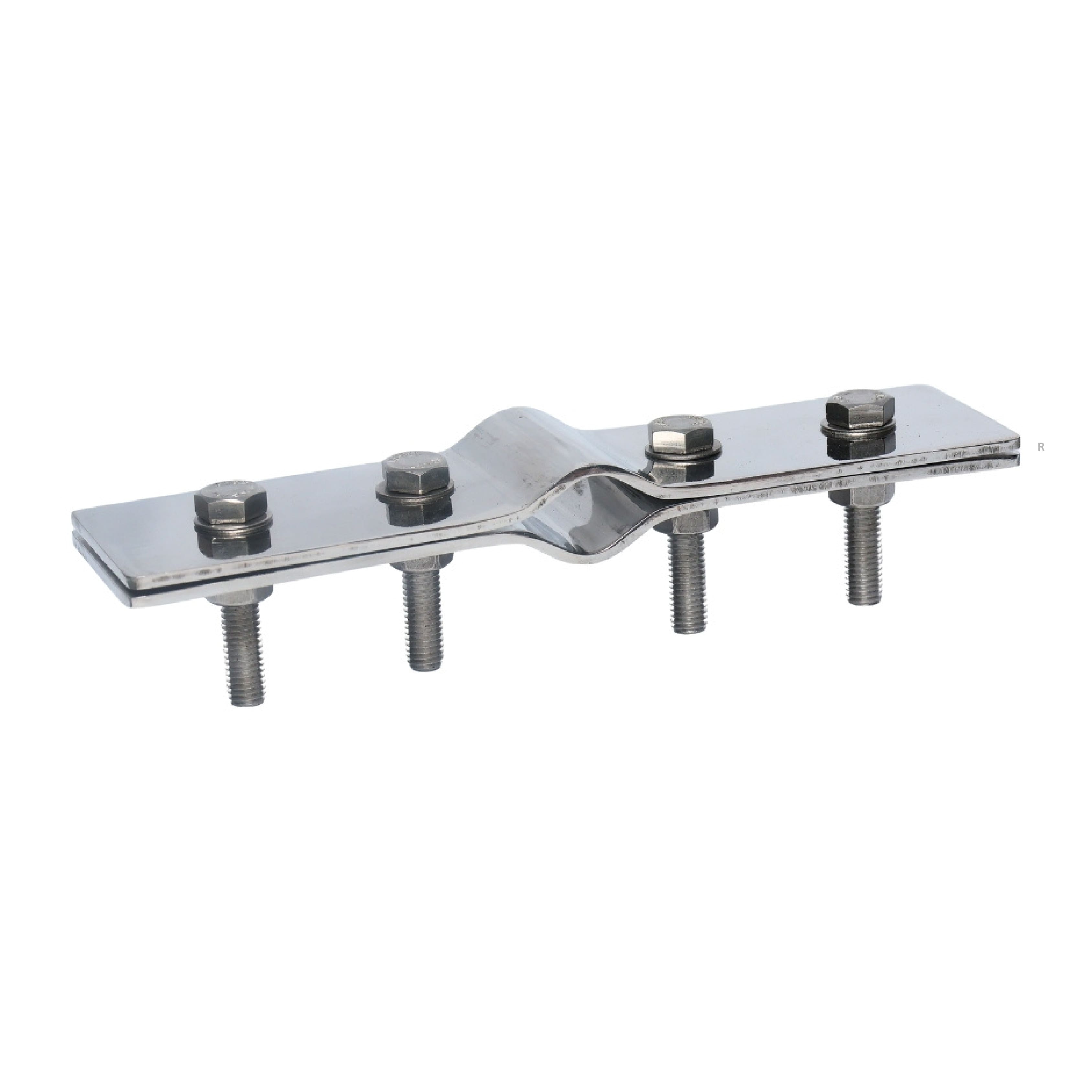
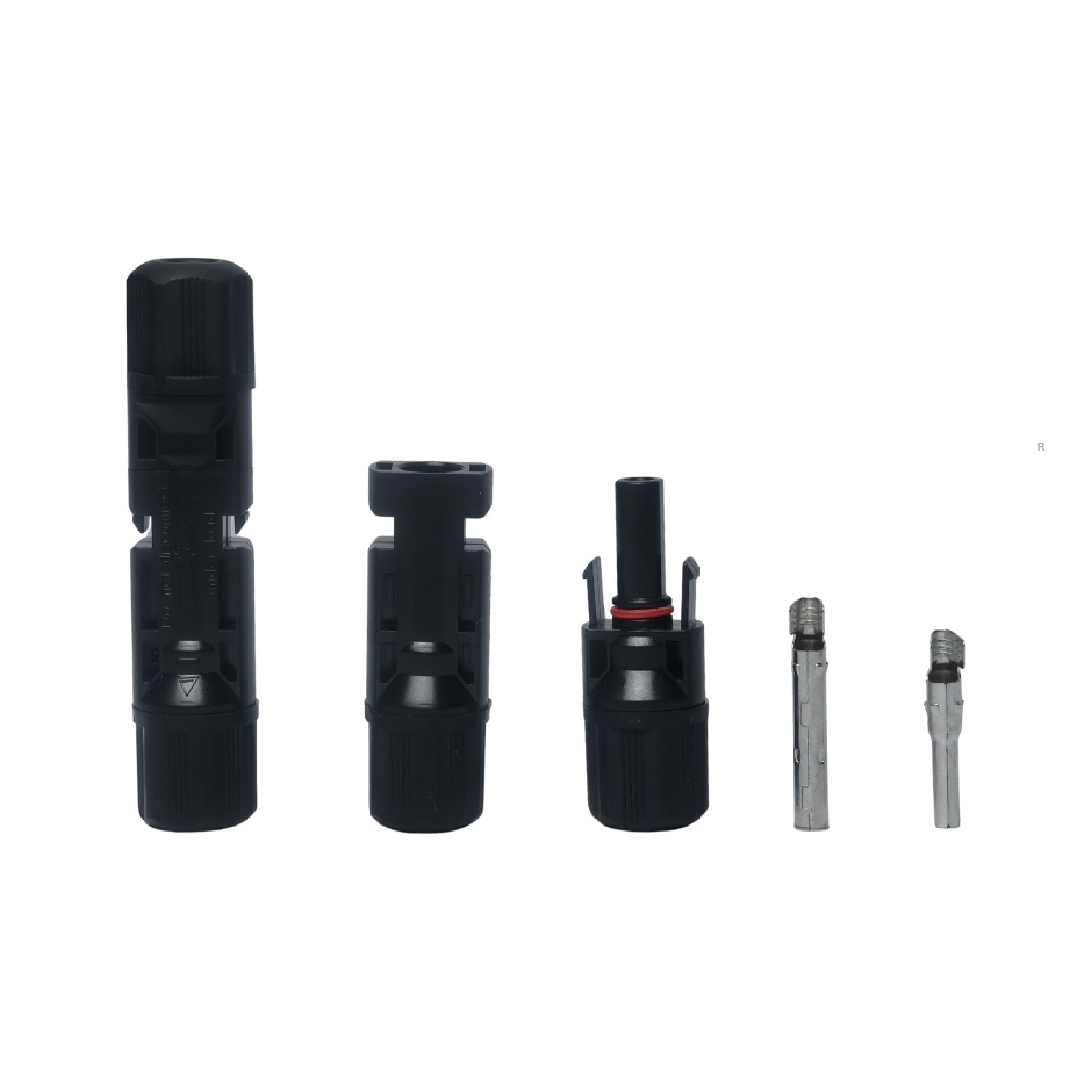


Earthing Accessories are the various components and fittings used to support, connect, and complete an earthing system. They ensure that all parts of the grounding setup are secure, conductive, corrosion-resistant, and compliant with safety standards. These accessories are essential for maintaining a reliable, long-lasting, and effective earthing installation.
To ensure strong and stable connections between earthing components.
To prevent corrosion or loosening of joints over time.
To allow safe and efficient current flow to ground.
To enable easy installation, inspection, and maintenance.
To comply with electrical safety regulations.
Clamps
Used to connect earth conductors (strips or wires) to electrodes or rods.
Types:
U-Bolt Clamps
Rod to Tape Clamps
Pipe to Tape Clamps
Test Clamps
Material: Copper, Brass, or Gunmetal
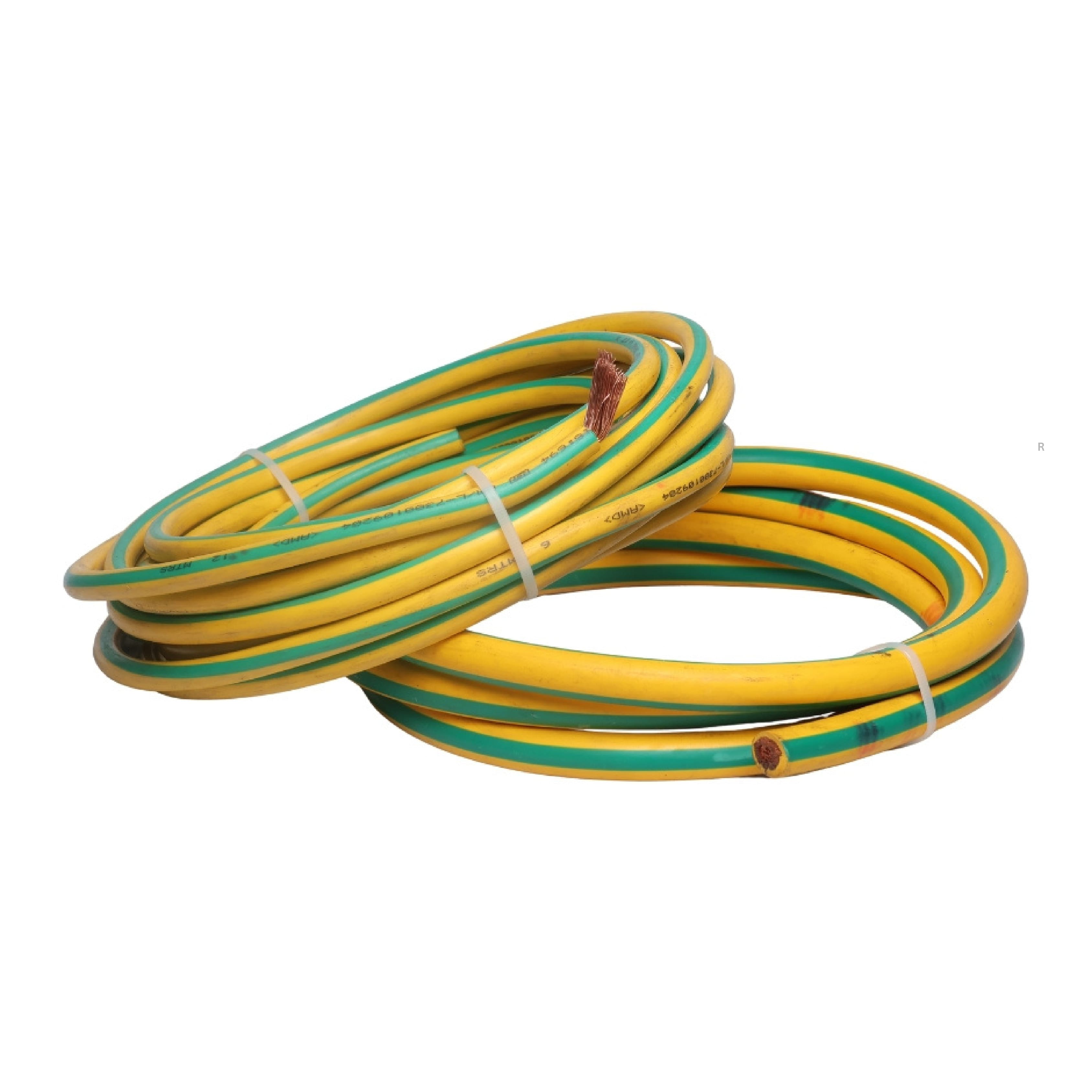
Earthing Strips and Wires
Conduct current from equipment to the earth electrode.
Types:
Copper strips (e.g., 25 × 3 mm)
GI (Galvanized Iron) strips
Copper wires (solid or stranded)
Aluminum conductors
Test Links / Test Clamps
Allow easy disconnection for earth resistance testing.
Installed between the earth electrode and main earthing conductor.
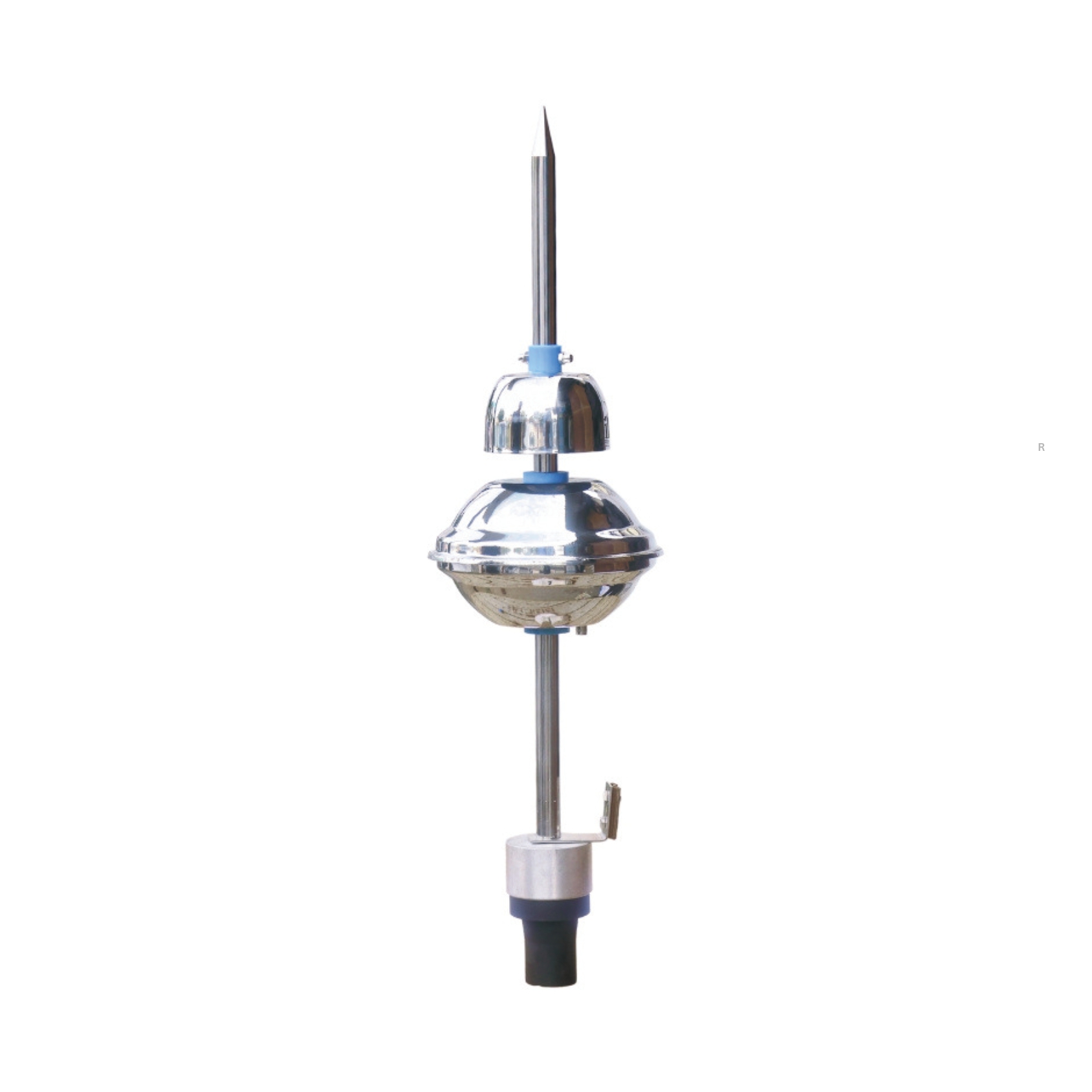
Made of stainless steel or aluminum alloy.
Designed for early emission of streamer.
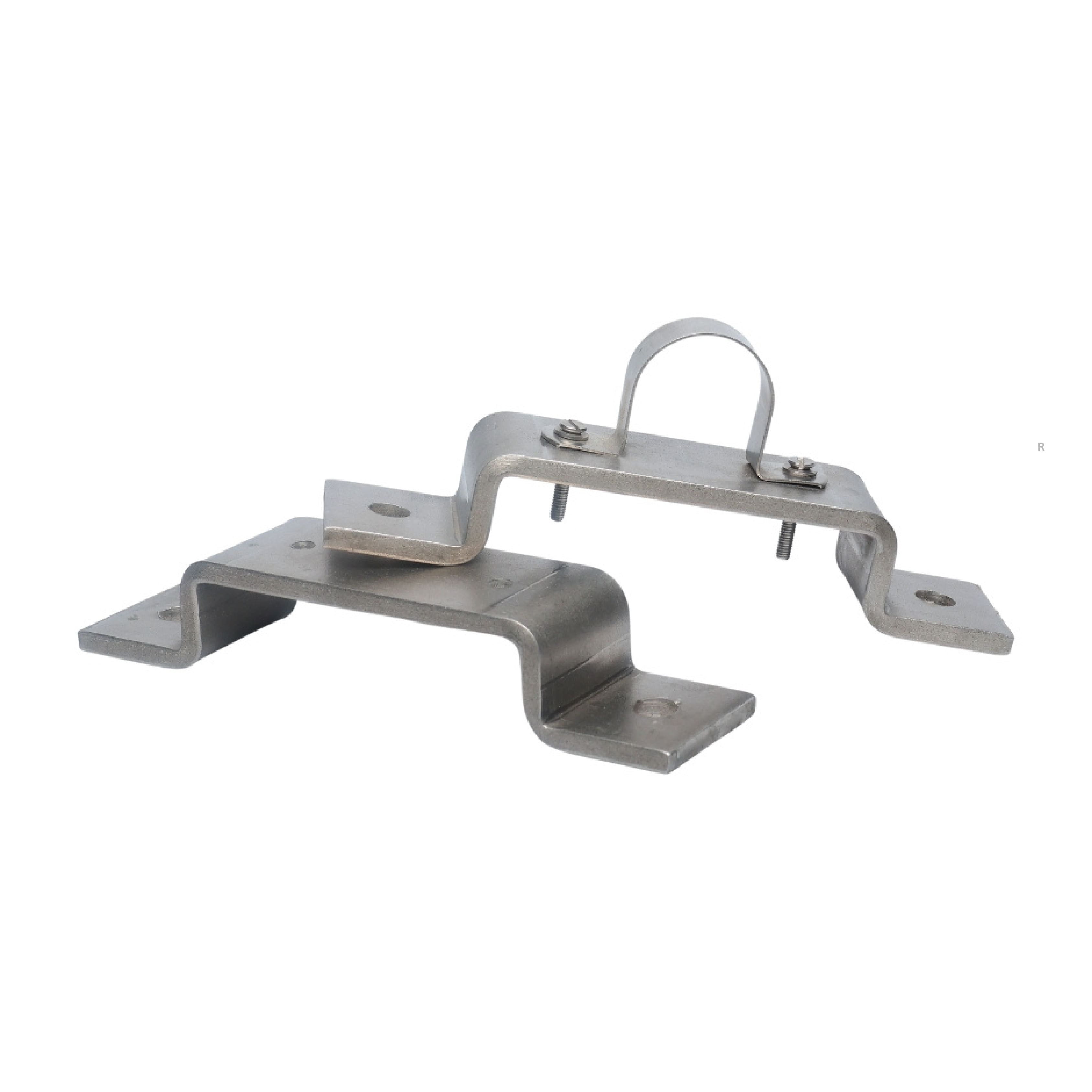
Lightning Arrestor Brackets and Holders
Securely fix the lightning rod or ESE terminal to buildings or towers.
Bonds and Lugs
Used for terminating or bonding earth wires/strips.
Help in firm and secure electrical connections.
Fasteners and Screws
Used to mount or secure strips, clamps, or other parts.
Copper – Best conductivity and corrosion resistance
Brass / Gunmetal – Durable and conductive
Galvanized Iron (GI) – Economical and corrosion-resistant
Stainless Steel / Steel Alloys – For structural strength
Electrical panels and distribution boards
Industrial earthing systems
Residential earthing setups
Lightning protection systems
Power plants and substations
Telecom and IT facilities
Reliable performance under high current or fault conditions
Extended life of the earthing system
Easy maintenance
Safe and secure joints
Compliance with IEC, IS, and IEEE standards