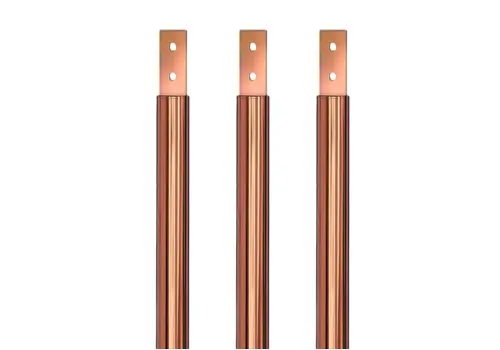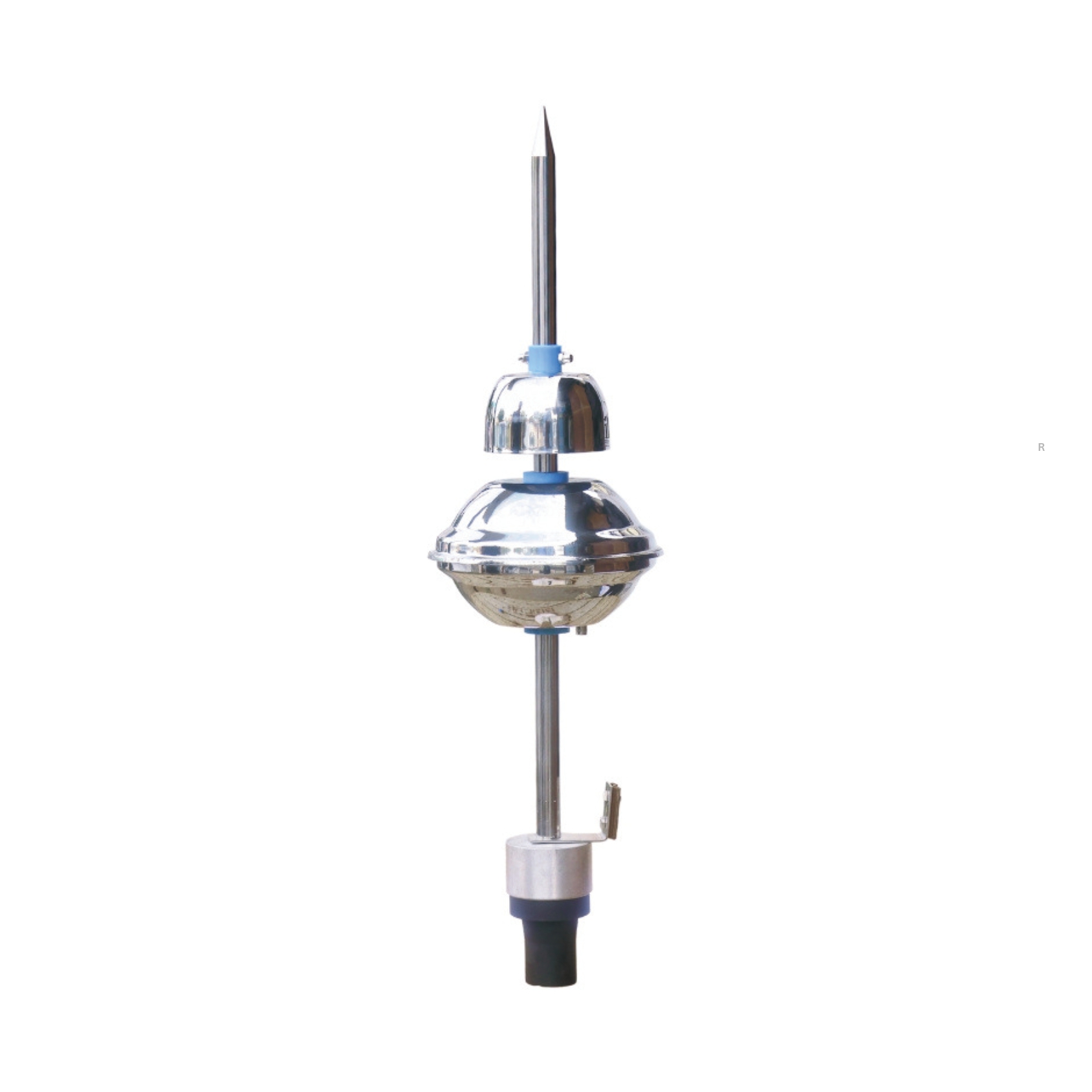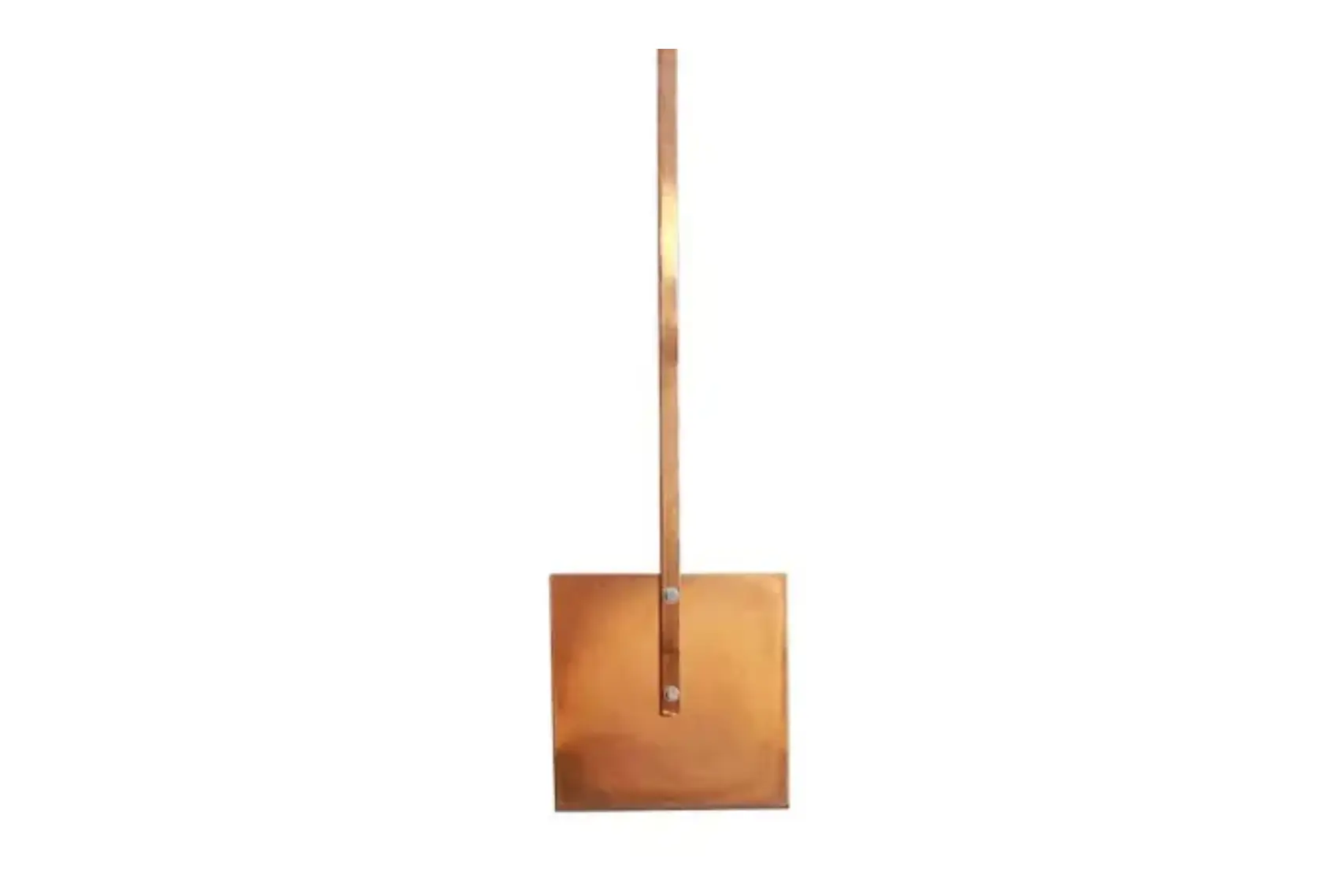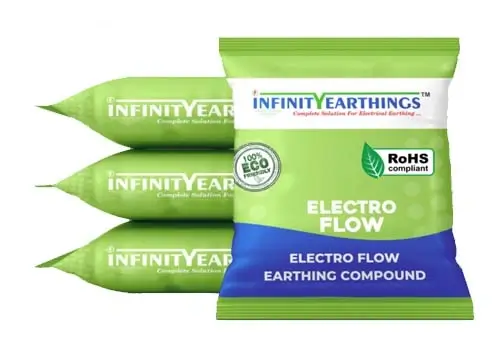



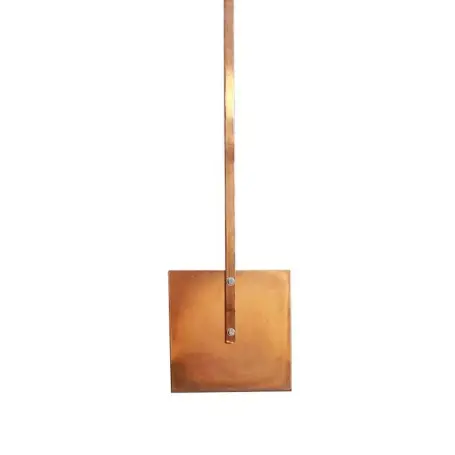
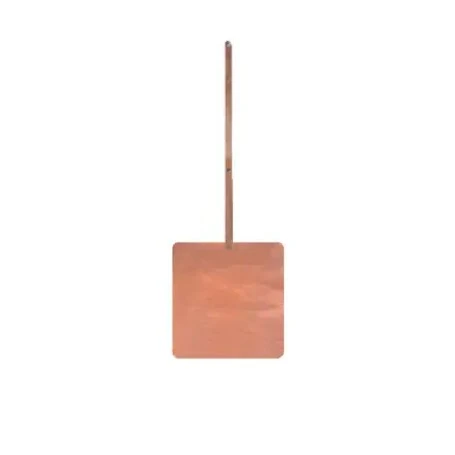
Copper Plate Earthing is a type of earthing system that uses a flat plate made of pure copper as the earth electrode. The copper plate is buried vertically in the ground, surrounded by soil enhancing materials like charcoal and salt or earthing compound, to create a low-resistance path for fault currents, leakage currents, and lightning discharges.
This method is commonly used in electrical substations, commercial buildings, high-rise structures, data centers, and industrial setups due to its high conductivity, durability, and corrosion resistance.
Provide a reliable and low-resistance path for electrical faults to safely dissipate into the earth.
Ensure personal and equipment safety during electrical surges or faults.
Stabilize voltage levels in the electrical system.
Support lightning protection systems and electrical panels.
Prevent damage to electrical and electronic equipment.
Material: 99.9% pure electrolytic copper
High Conductivity: Excellent for carrying fault current efficiently
Corrosion Resistance: Naturally resistant to rust and soil chemicals
Long Lifespan: Can last 50 years or more in suitable conditions
Non-magnetic and non-sparking: Ideal for explosive or sensitive environments
Common Size:
300 mm × 300 mm × 3 mm/6 mm (for small to medium systems)
600 mm × 600 mm × 3 mm/6 mm (for small to medium systems)
900 mm × 900 mm × 6 mm (for heavy-duty or high-load systems)
Material: 99.9% pure electrolytic copper
Shape: Square or rectangular flat plate
Installation Depth: Typically 1 to 3 meters below ground level
Digging the Earth Pit:A pit about 3 meters deep is dug (depth depends on soil type and standards).
Placing the Copper Plate:The copper plate is placed vertically in the center of the pit.
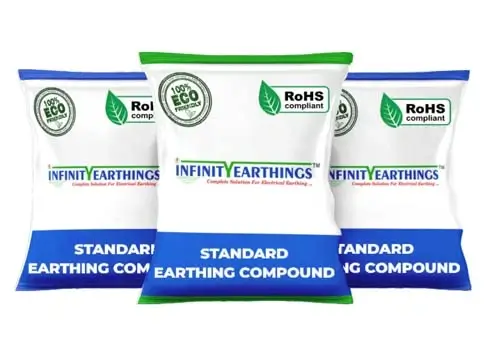
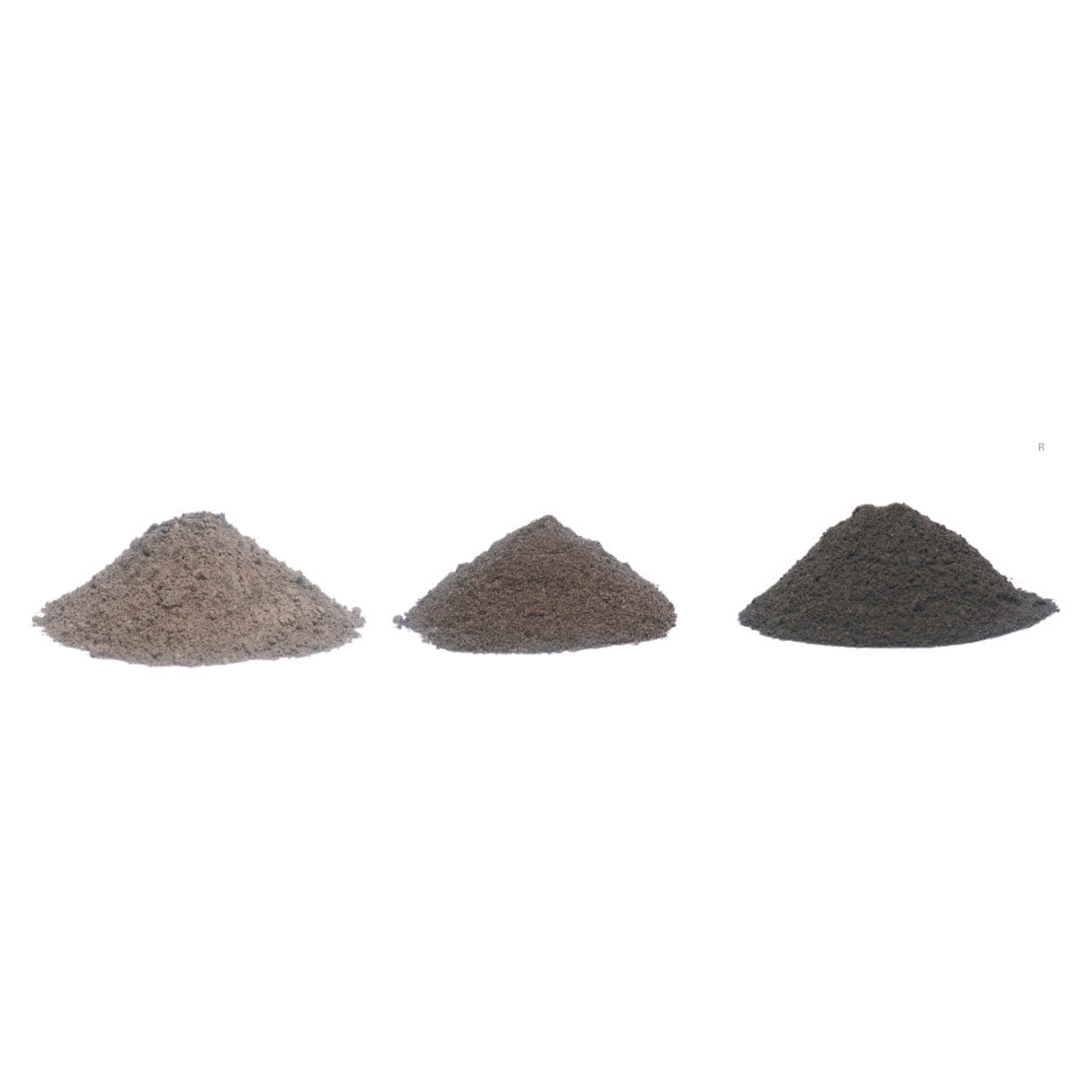
Soil Enhancement: Layers of a chemical earthing compound are filled around the plate to reduce soil resistivity.
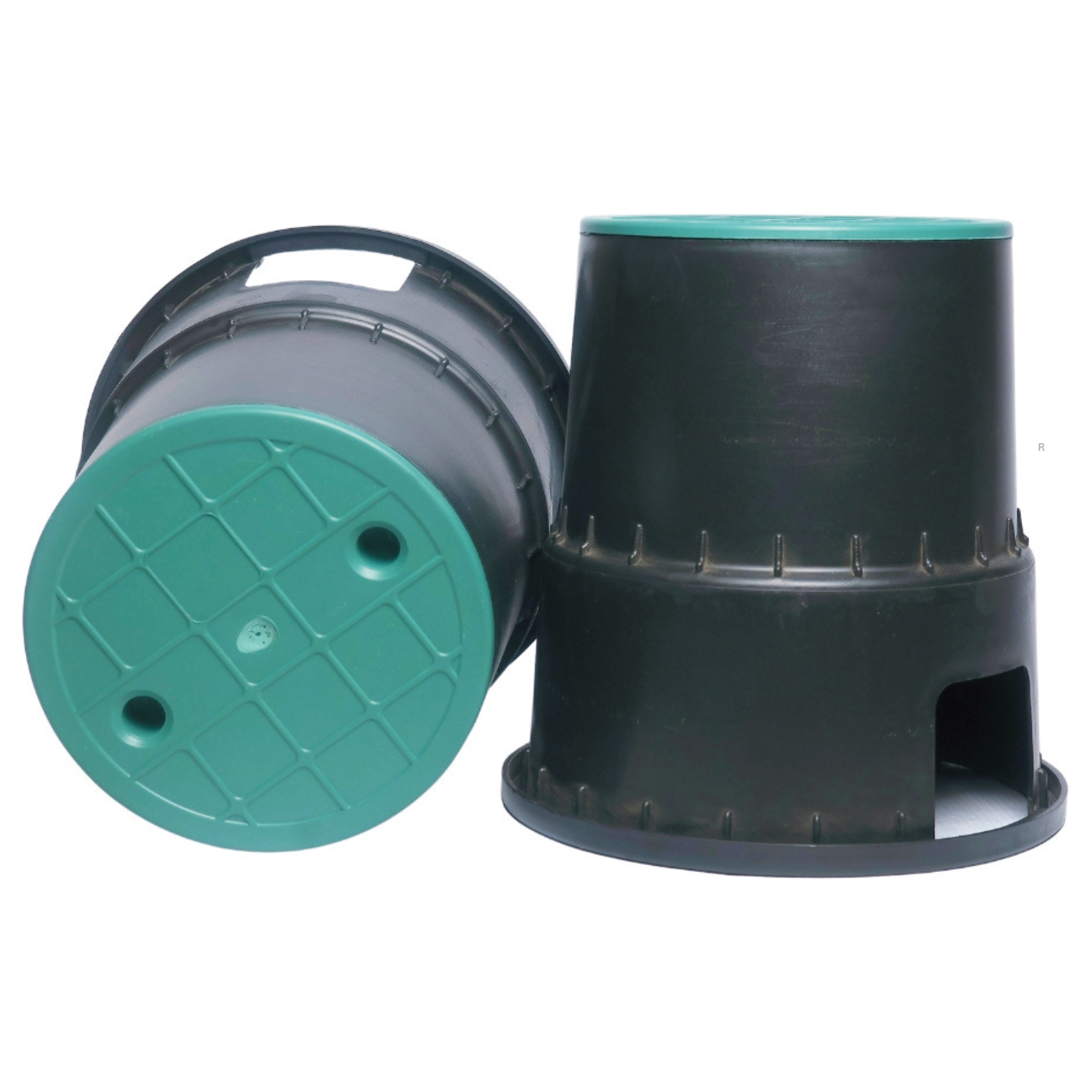
Chamber Installation: A concrete or plastic inspection chamber is placed above the pit for maintenance and resistance testing.
Excellent electrical conductivity
Highly resistant to corrosion
Long lifespan (30–50+ years)
Stable performance in all weather and soil conditions
Low maintenance once installed
Ideal for high-sensitivity systems
Electrical substations
Data centers and server rooms
Commercial and high-rise buildings
Hospitals and labs with sensitive equipment
Industrial plants
Power stations and renewable energy systems
Lightning protection grounding