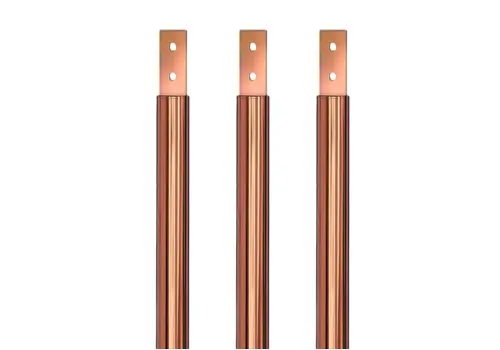



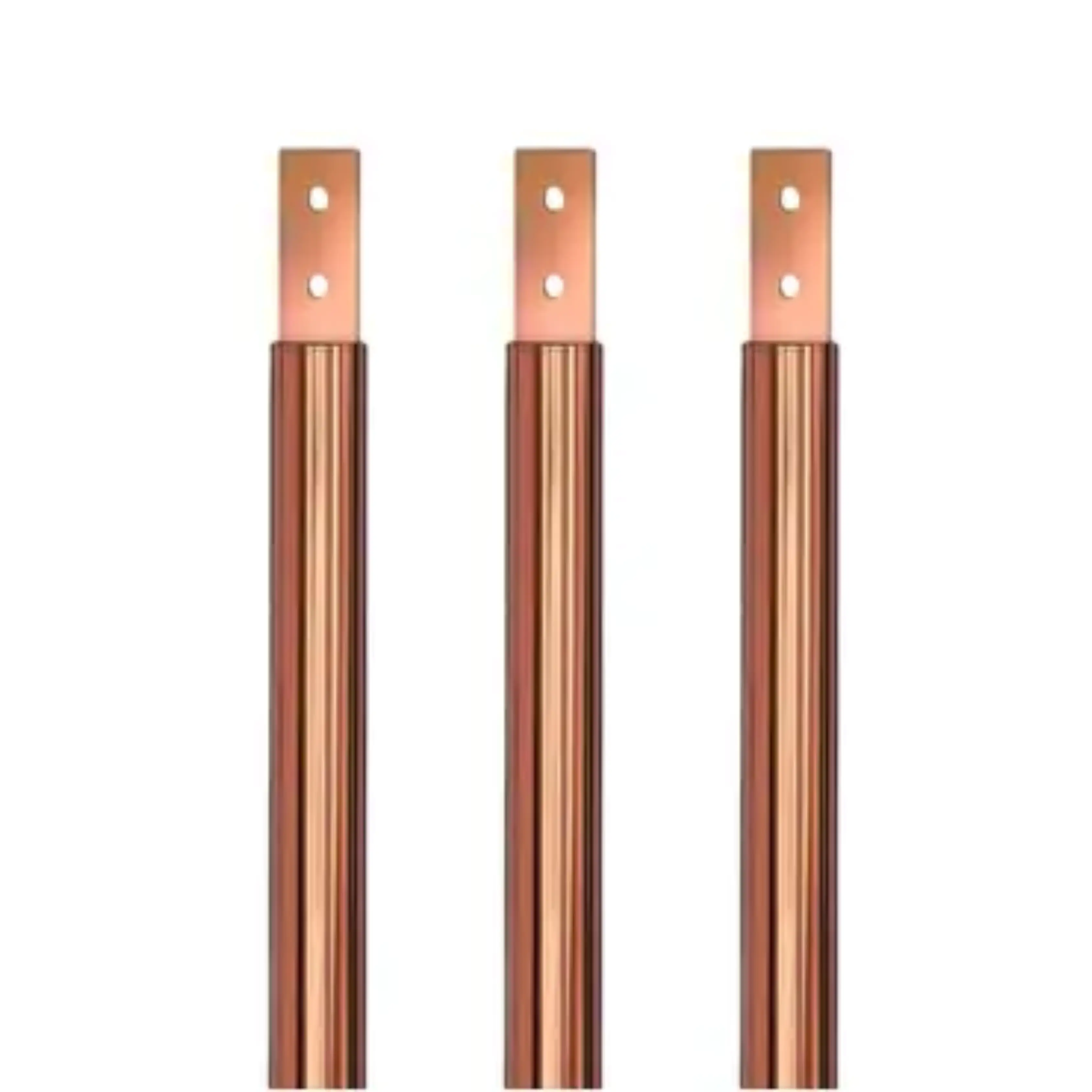
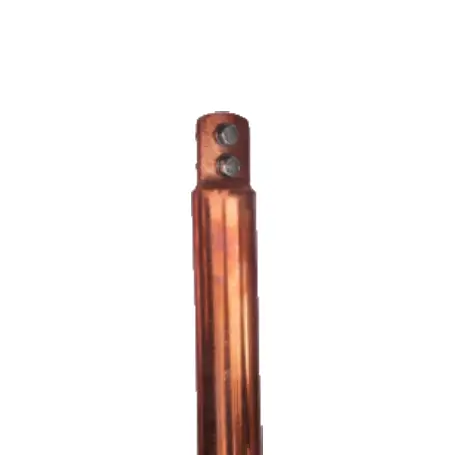
A Pure Copper Earthing Pipe is an earth electrode made entirely from 100% pure copper, used in electrical earthing systems to safely discharge fault currents, leakage currents, and lightning surges into the ground. Due to its exceptional electrical conductivity, corrosion resistance, and long lifespan, it is considered one of the best-quality earthing materials available.
These pipes are commonly used in critical and high-performance installations such as data centers, power plants, substations, hospitals, and telecommunication facilities.
Provide a highly conductive path for fault and lightning currents.
Ensure electrical safety for people and equipment.
Maintain low earth resistance over a long period.
Prevent corrosion, especially in aggressive or high-moisture soils.
Support stable electrical grounding for sensitive or high-load systems.
Material: 99.9% pure electrolytic copper
High Conductivity: Excellent for carrying fault current efficiently
Corrosion Resistance: Naturally resistant to rust and soil chemicals
Long Lifespan: Can last 50 years or more in suitable conditions
Non-magnetic and non-sparking: Ideal for explosive or sensitive environments
Length: Typically 1 to 3 meters
Diameter: Commonly 19 mm to 100 mm
Wall Thickness: Designed as per current-carrying requirements
Finish: Smooth and polished surface for better conductivity
Earth Pit: A deep pit is dug to insert the pipe vertically into the soil.
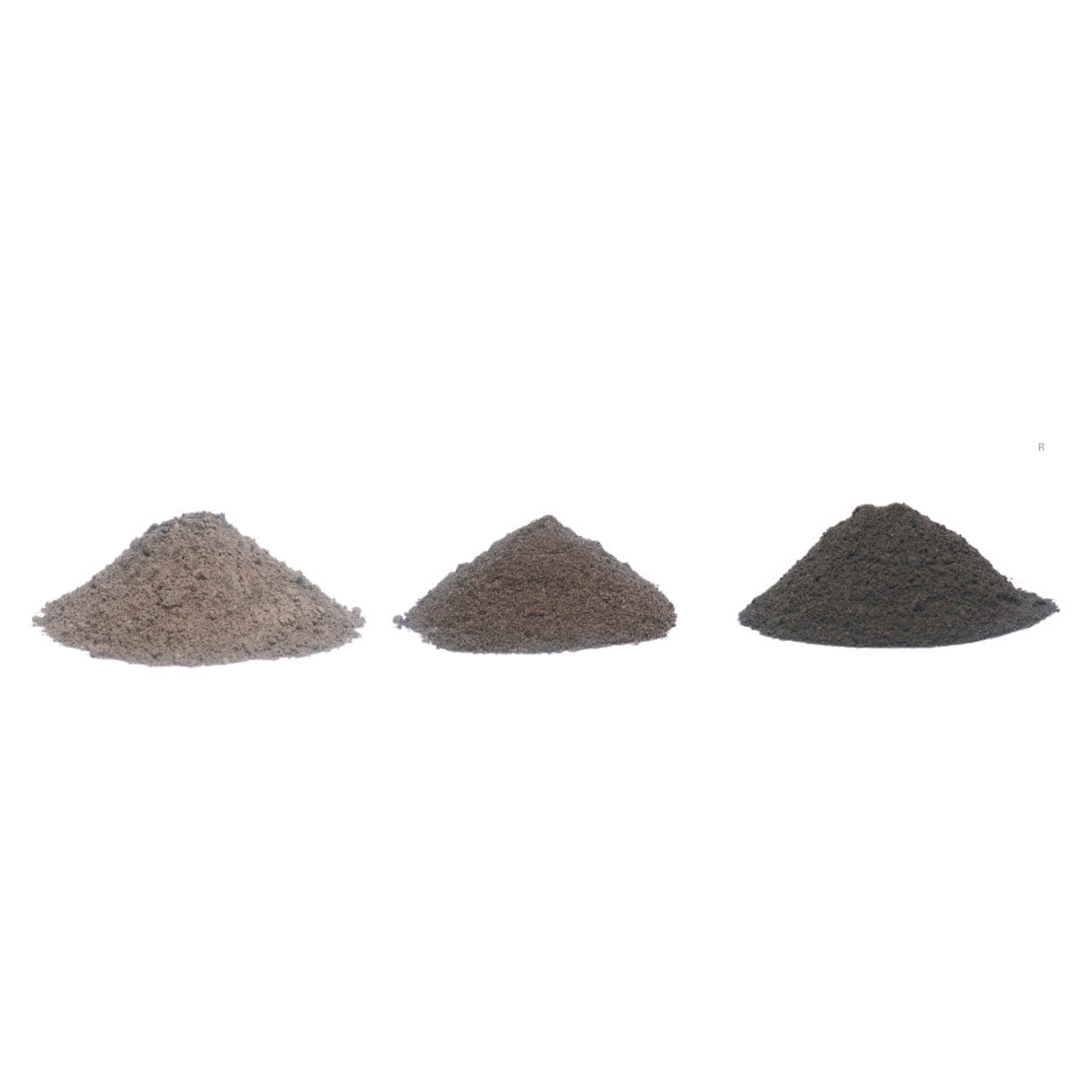
Backfill Compound: A modern earthing compound is filled around the pipe to enhance conductivity.
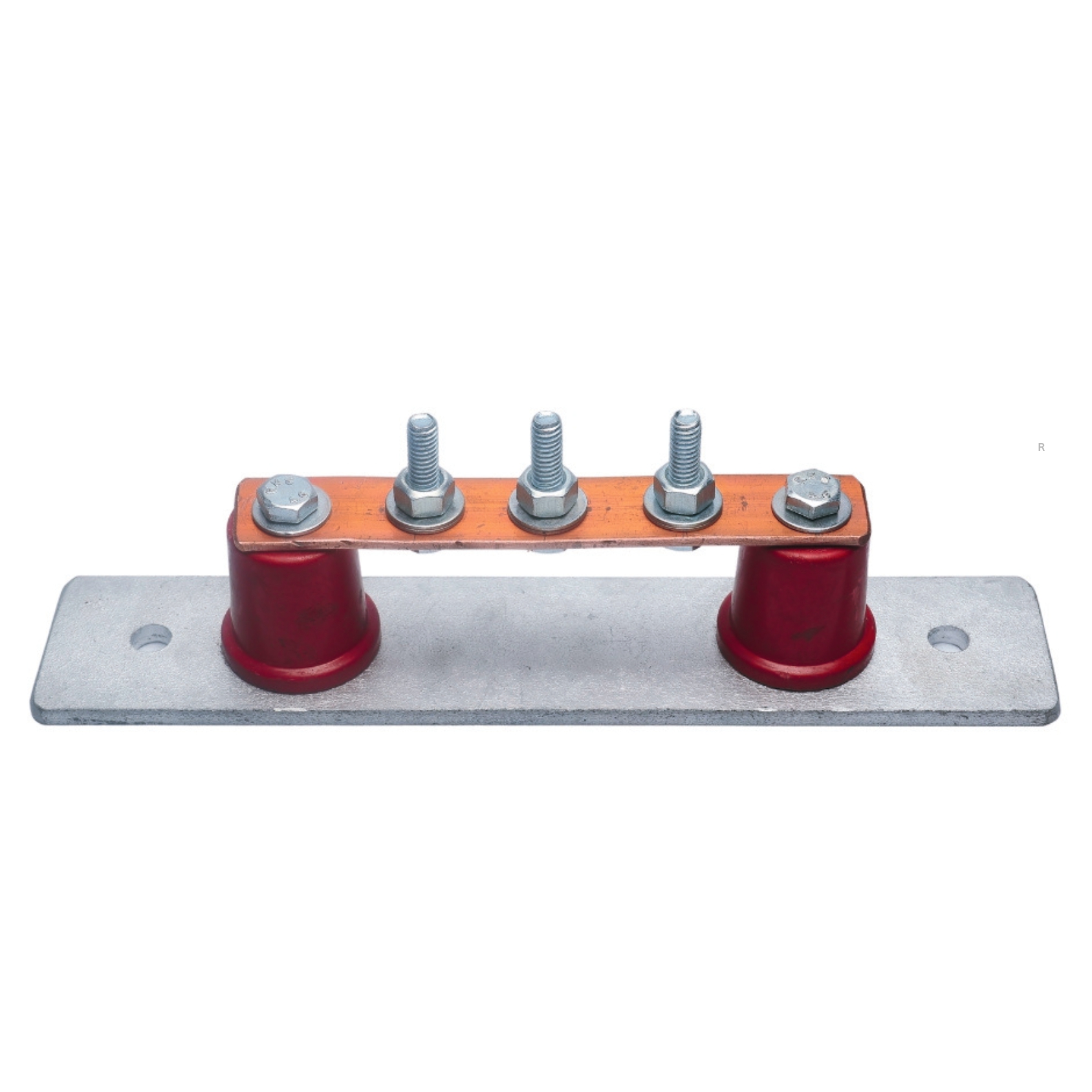
Connection: A copper strip or conductor is used to connect the pipe to the main earthing system.
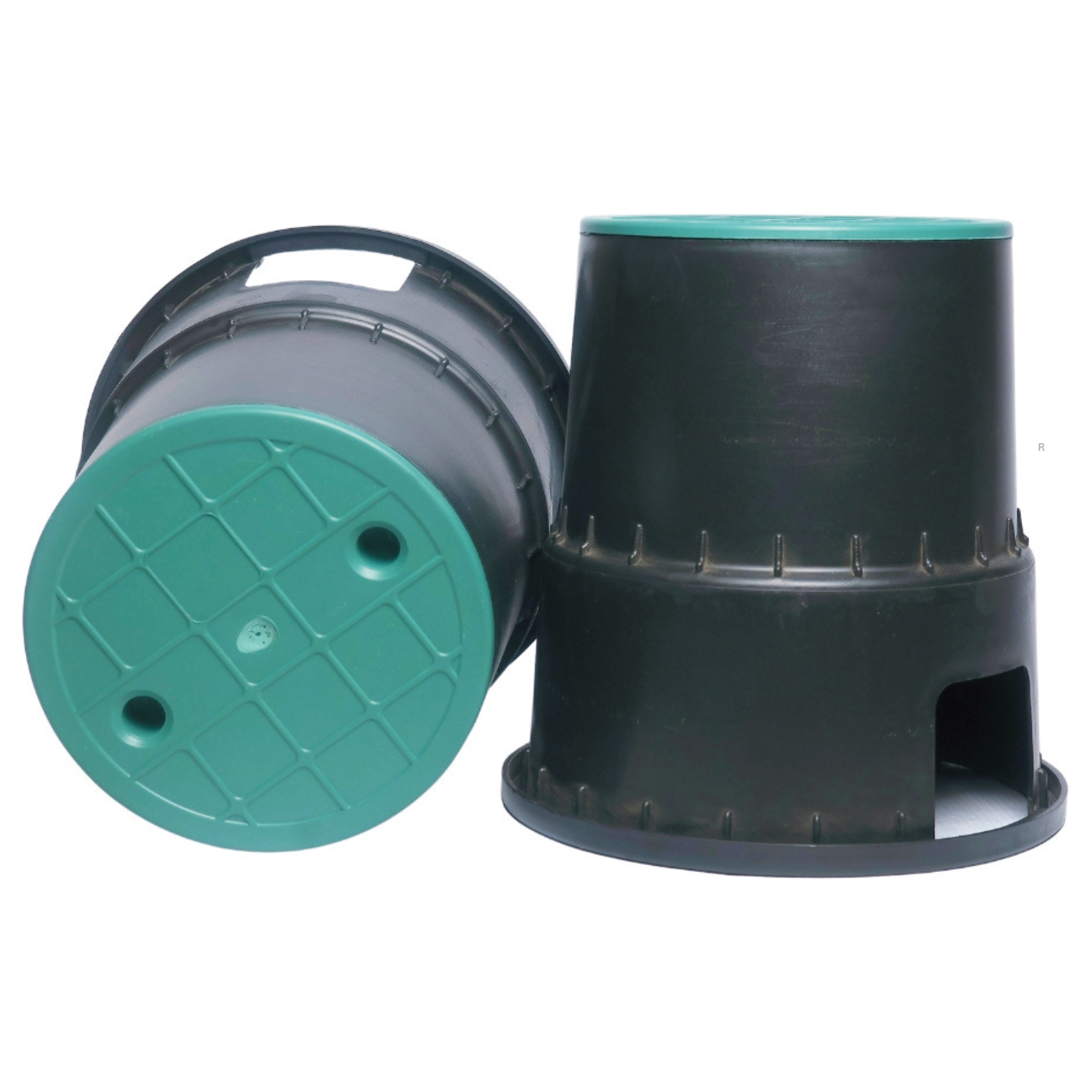
Chamber: The pit is covered with an inspection box for maintenance and testing.
Superior electrical performance
Highly durable and maintenance-free
Excellent corrosion resistance in any soil
Low resistance to earth even in dry conditions
Reliable for high-load and critical systems
Complies with global safety standards
Power plants and electrical substations
Oil and gas facilities
Data centers and telecom stations
Hospitals and critical infrastructure
High-rise and commercial buildings
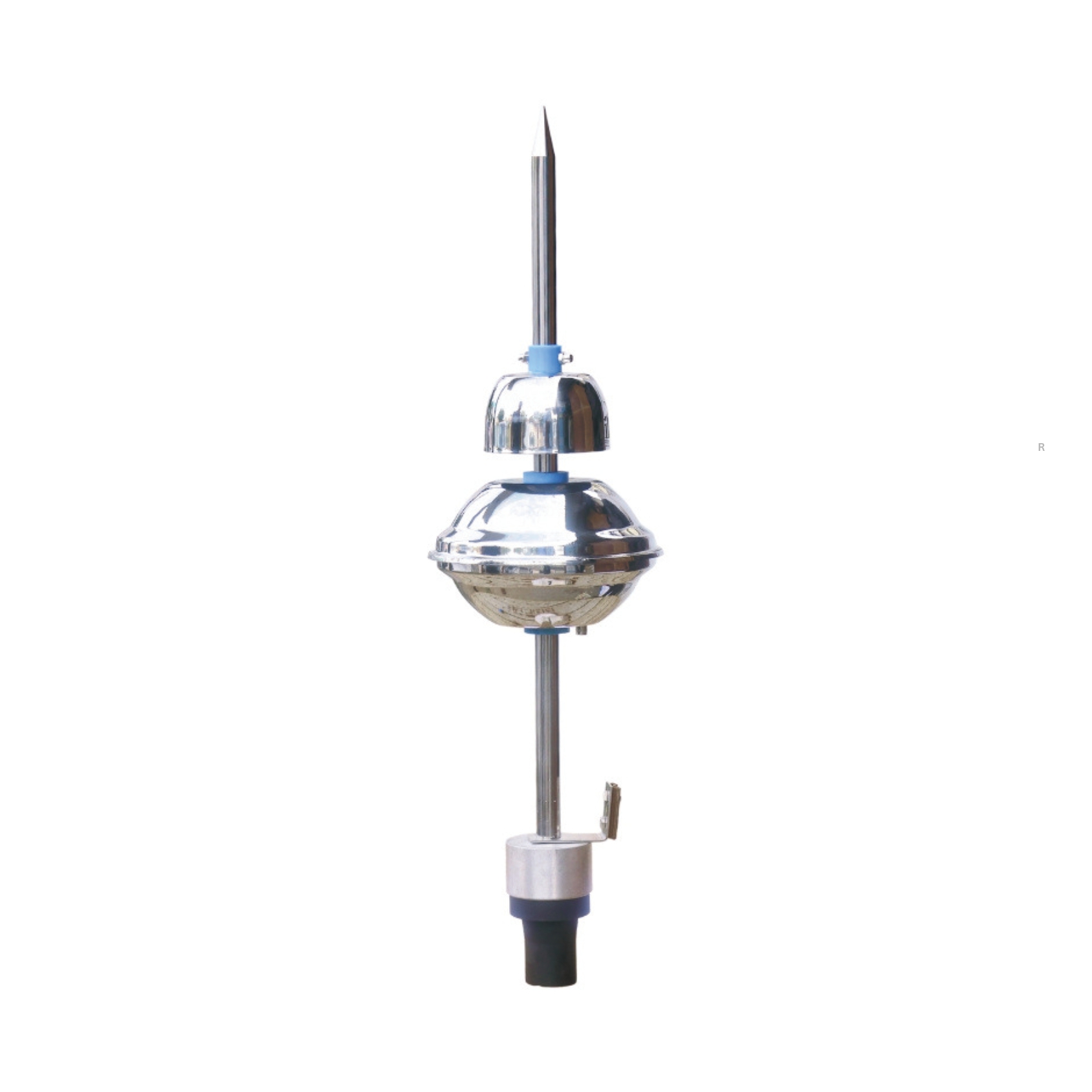
Lightning protection systems