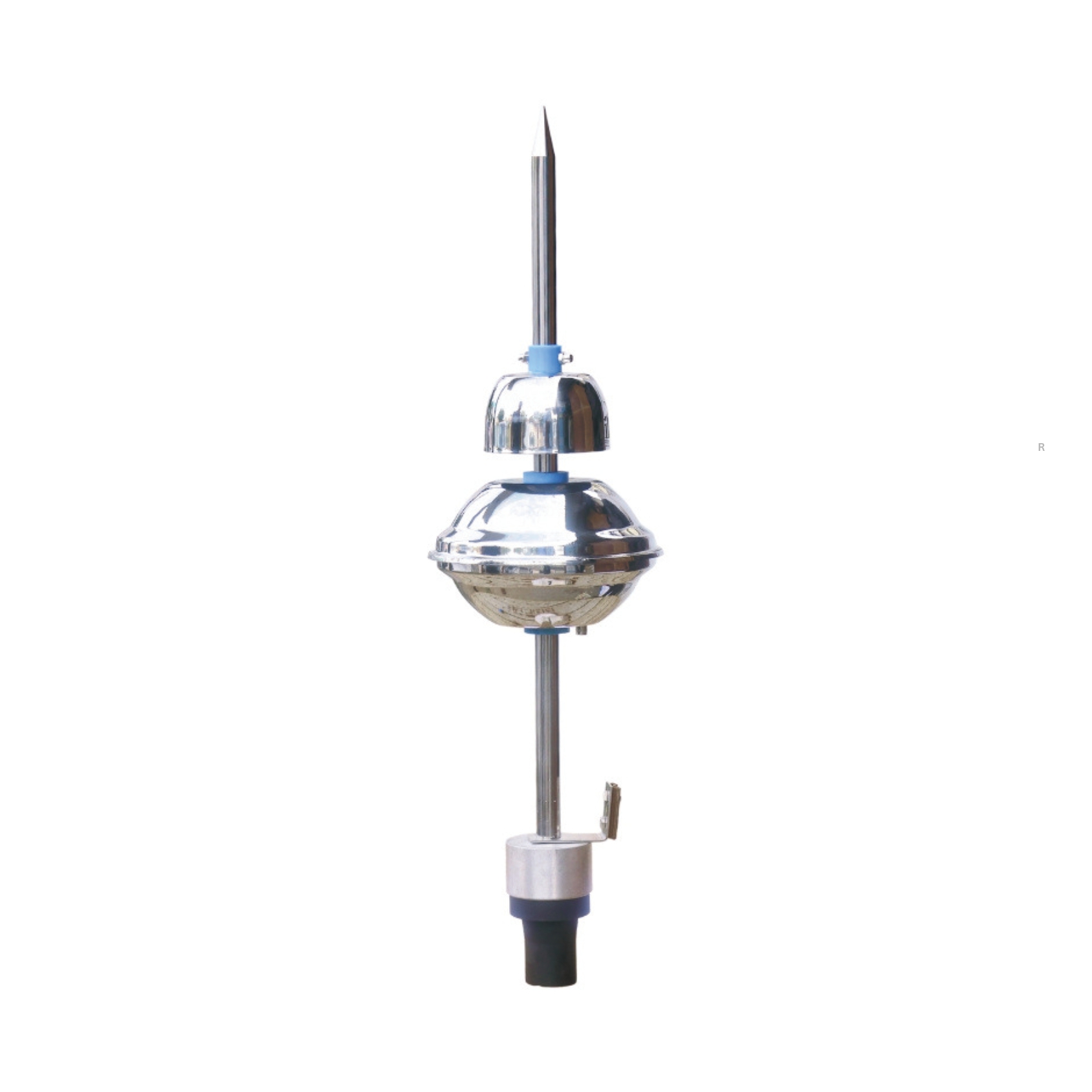



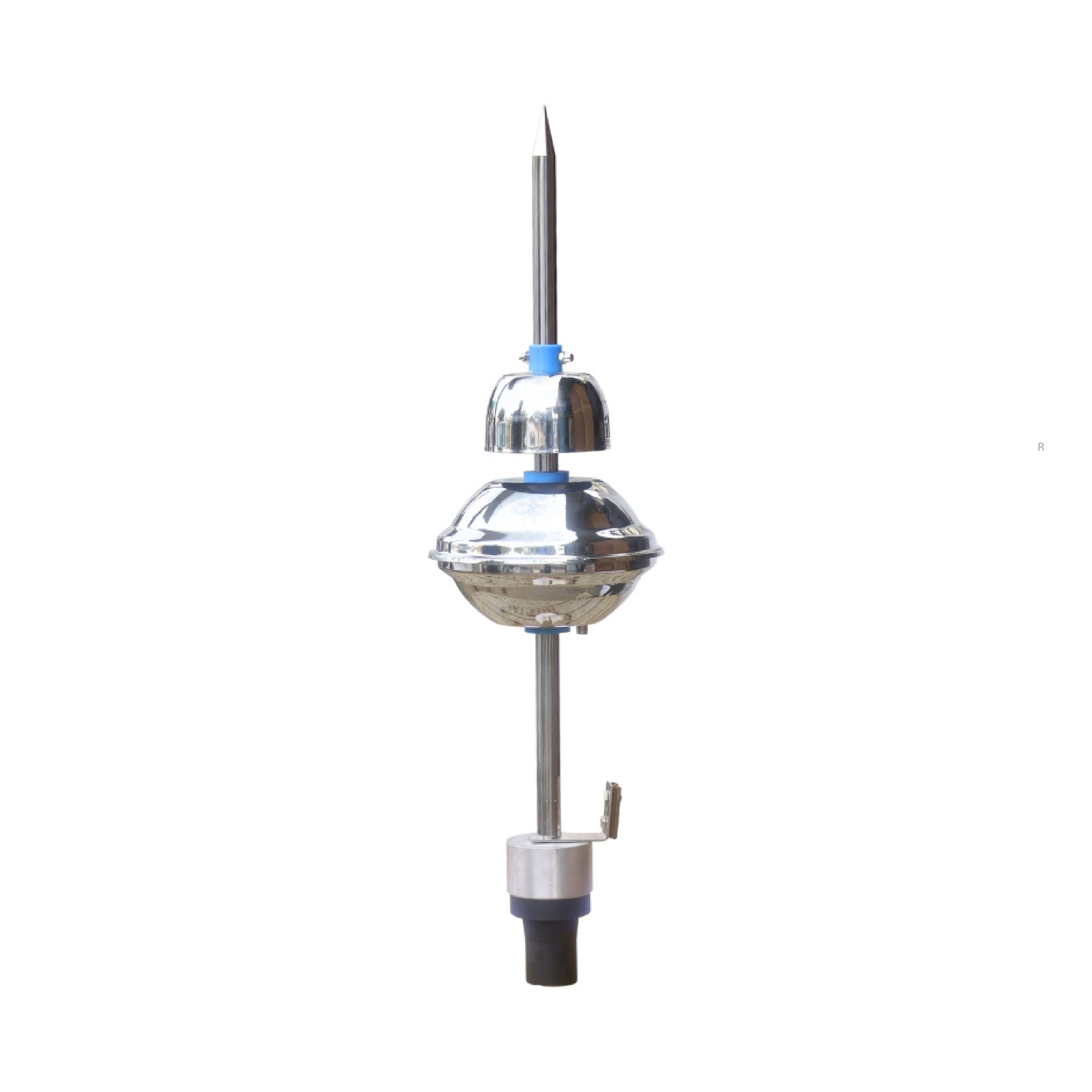
An ESE (Early Streamer Emission) Lightning Arrester is an advanced lightning protection device designed to attract and capture lightning strikes before they reach a structure. It is installed at the highest point of a building or structure and works by emitting an early upward streamer, providing a preferred point for the lightning strike to safely discharge through a grounding system.
Compared to conventional lightning rods, ESE arresters offer wider coverage and greater efficiency, especially for large buildings, industrial plants, communication towers, and open areas.
ESE Lightning Arresters operate on the principle of early streamer emission. Here's how it works:
During a storm, the arrester senses the build-up of electrical charges in the atmosphere.
At the right moment (milliseconds before a lightning strike), the ESE device emits an upward streamer earlier than nearby objects.
This early streamer attracts the downward lightning leader.
The lightning strike is safely captured and directed to the earthing system via a down conductor.
This timing advantage ensures that lightning strikes the arrester rather than the protected structure.
Main Components of an ESE Lightning Protection System
Installed at the highest point.
Made of stainless steel.
Designed for early emission of streamer.
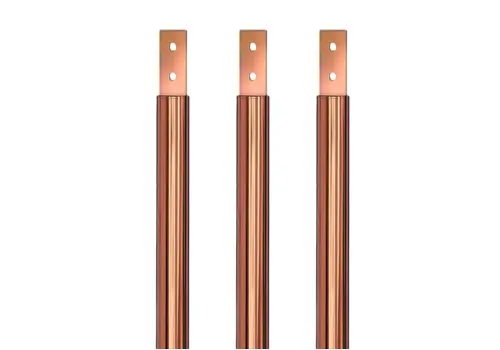
A metallic strip or cable (usually copper, aluminum, GI Flat or Copper Bonded Rod) that connects the ESE terminal to the ground.
Provides a low-resistance path for the lightning current.
Air Terminal (Rod or ESE head) – Captures the lightning strike.
Down Conductor – Carries the surge current to the ground.
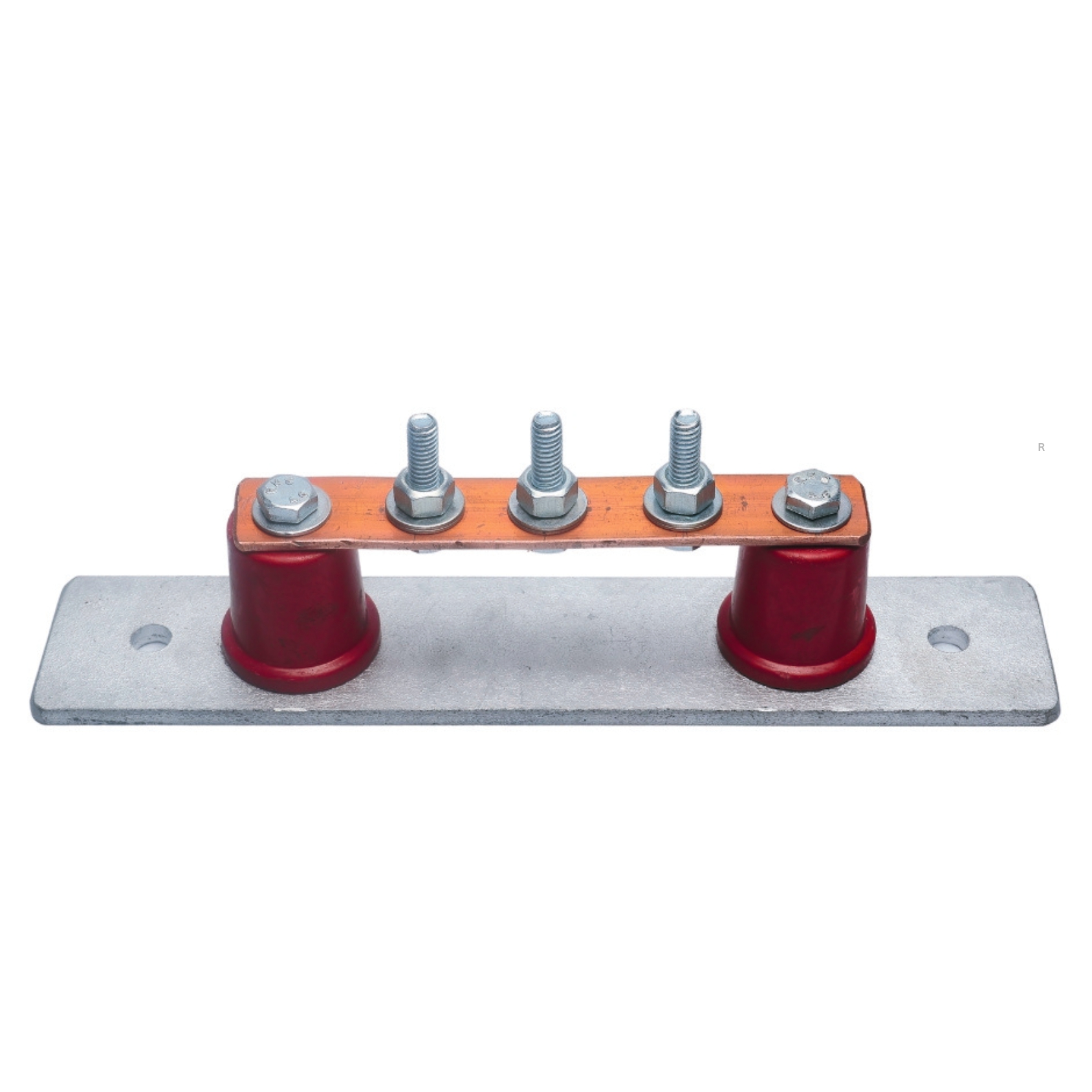
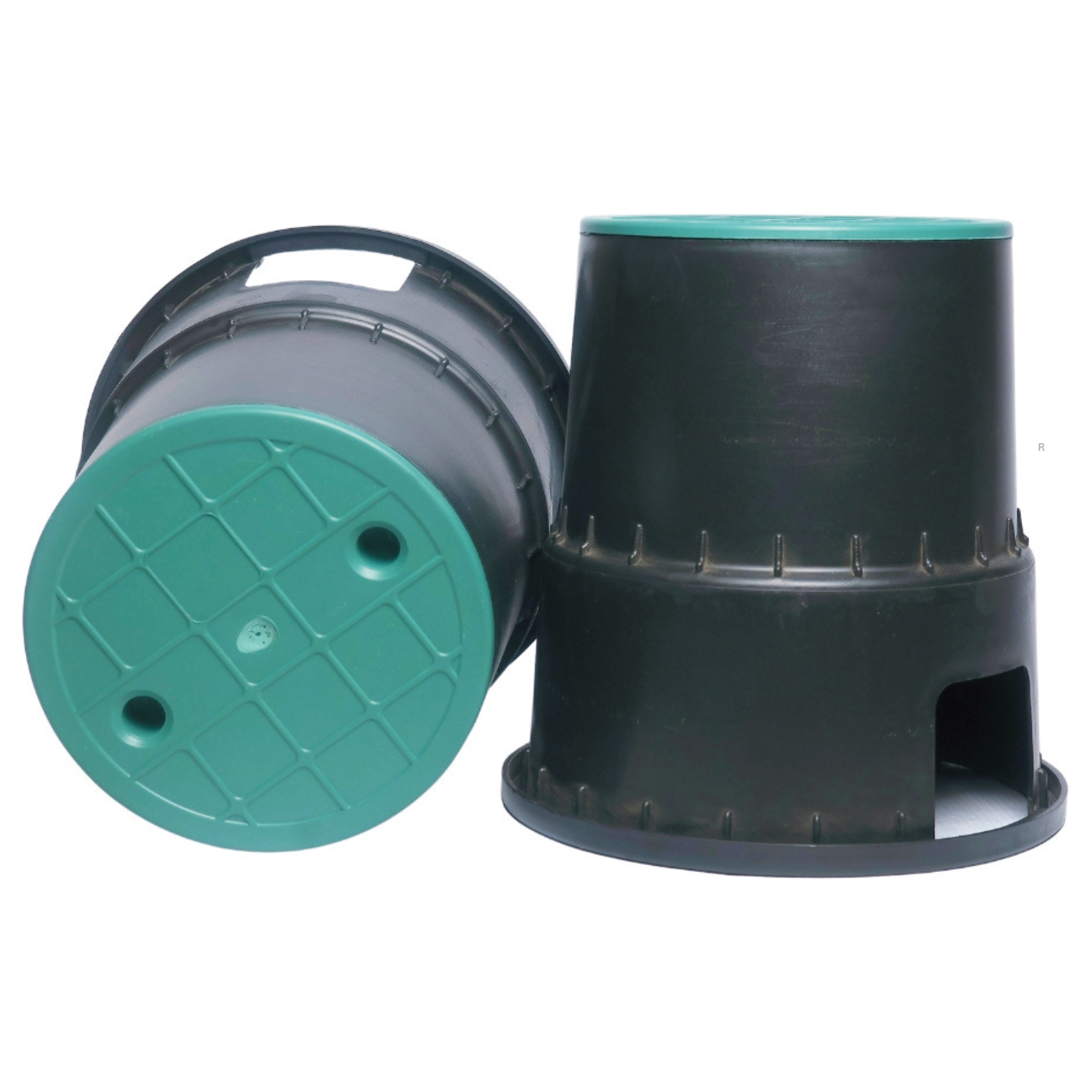
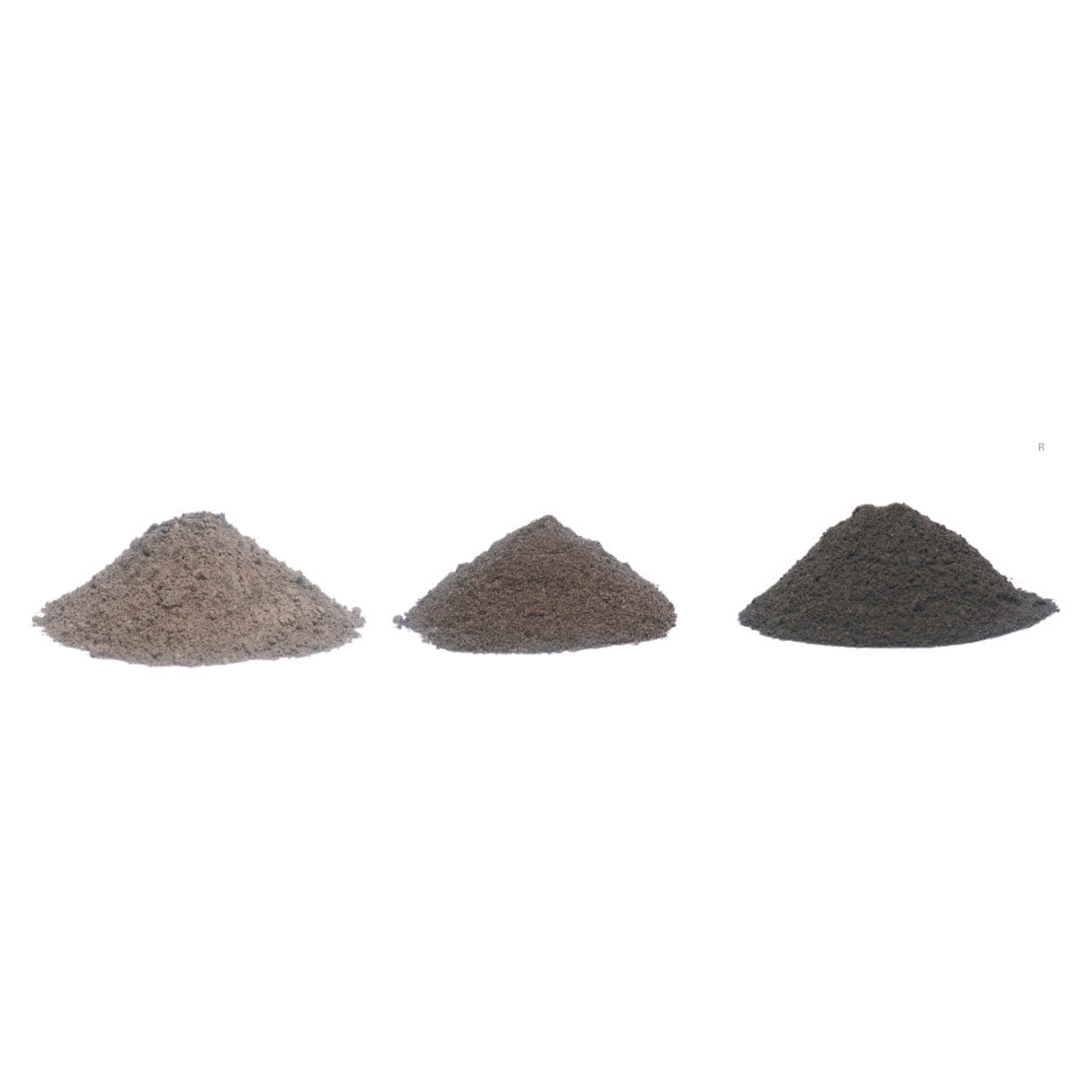
Earth Termination (Earthing System) – Disperses the current safely into the earth.
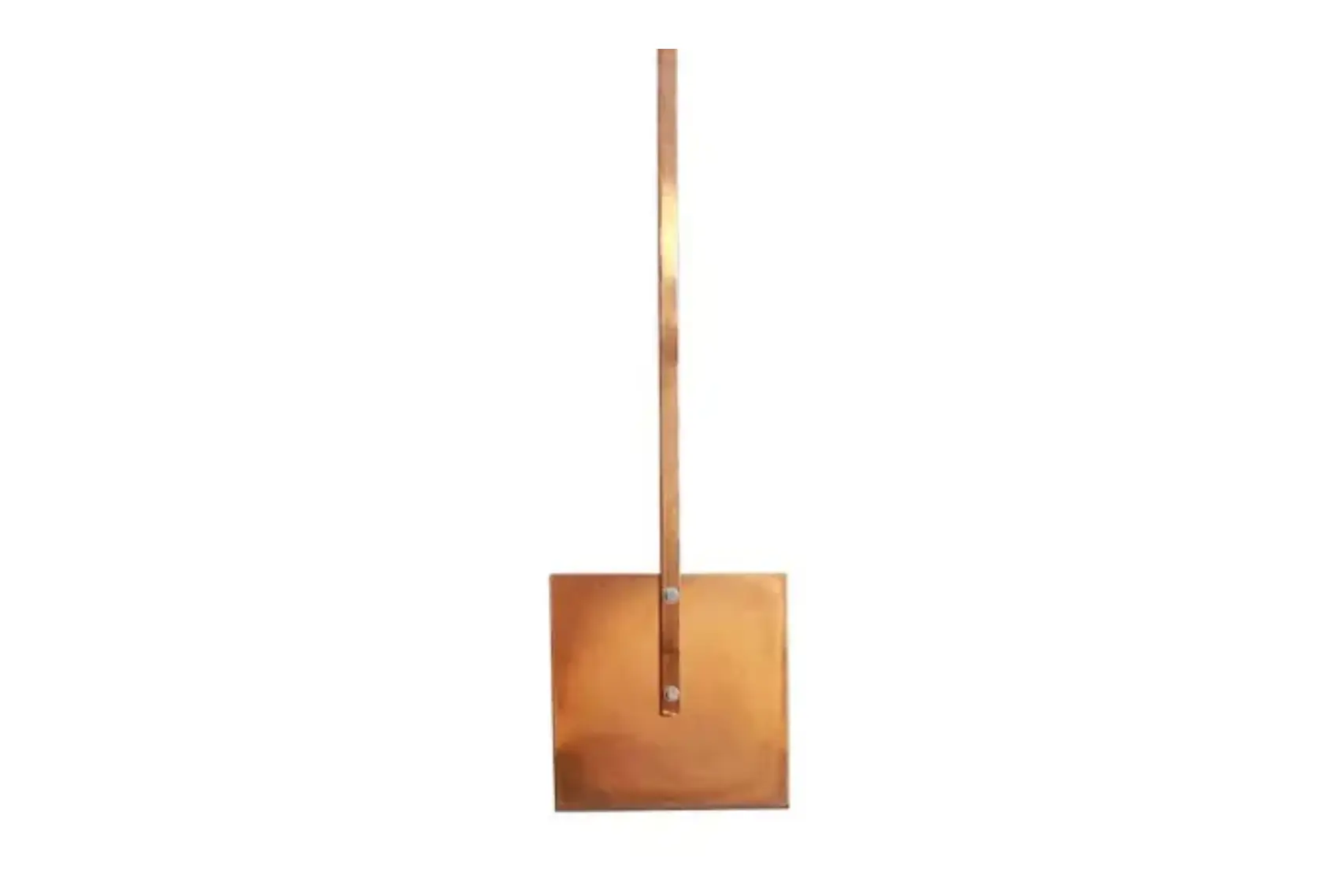
Grounding rods, plates, or pipes connected to the down conductor.
Safely dissipates the lightning current into the earth.
Larger protection radius (can cover 50–107 meters or more depending on model)
Fewer terminals needed (ideal for large structures)
Efficient performance in all weather conditions
Less invasive installation compared to conventional mesh systems
Tested and certified to international standards like NFC 17-102 and CPRI
Ideal for both existing and new structures
High-rise buildings
Solar and Bungalows
Airports and railway stations
Oil & gas industries
Warehouses and factories
Stadiums and open areas
Communication and telecom towers
Schools, colleges, and universities